Understanding Today’s Demonstrations in Hamburg
poellauer-news >> Current Affairs>> Understanding Today’s Demonstrations in Hamburg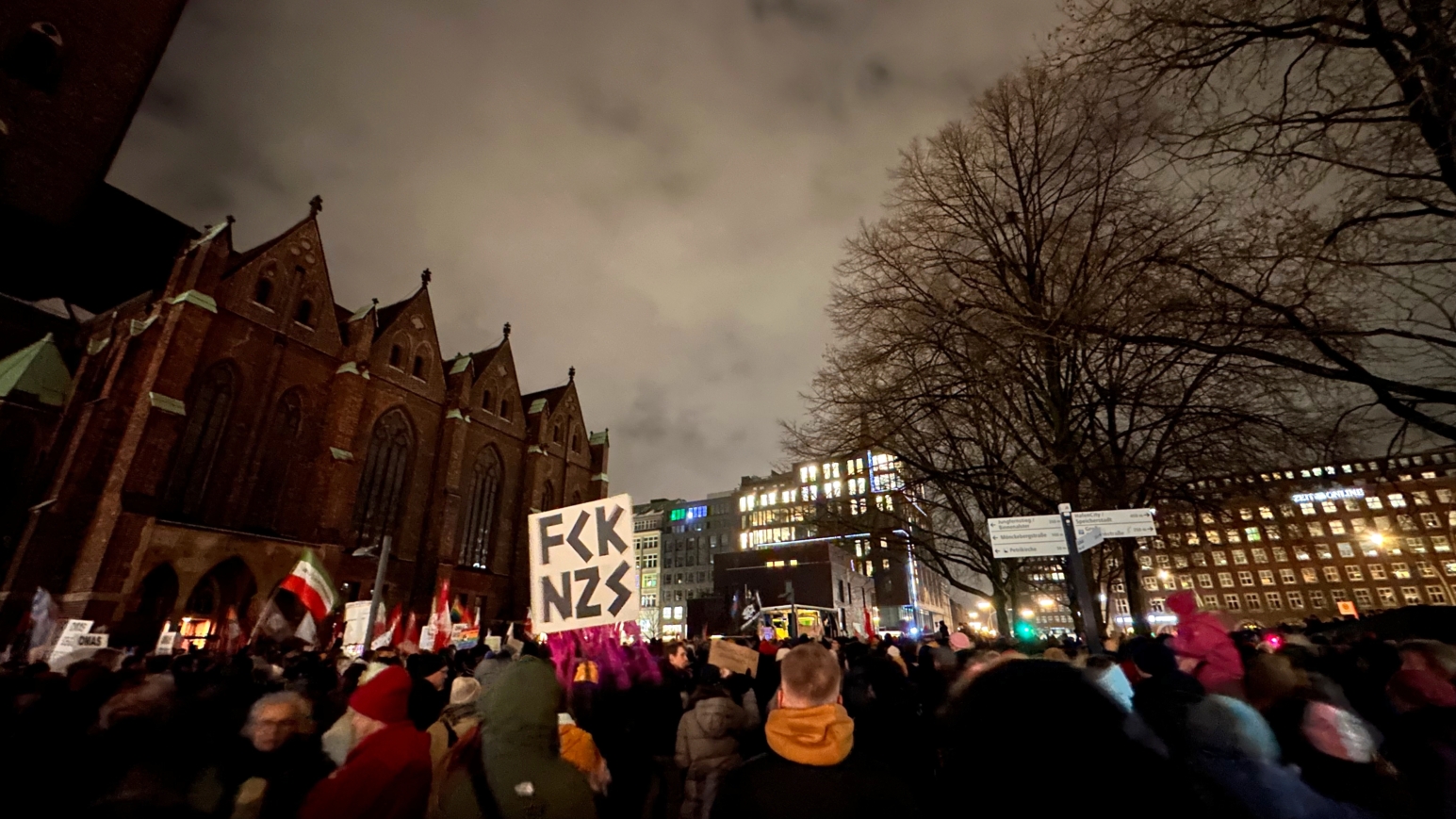
Understanding Today’s Demonstrations in Hamburg
Introduction
Demonstrations are an essential aspect of democratic societies, allowing citizens to express their views on pressing issues. Today, Hamburg is witnessing a series of protests that highlight various social, political, and environmental concerns. These events are not only significant for the locals but also for understanding broader societal trends in Germany.
Details of the Demonstrations
On 18 October 2023, thousands of demonstrators gathered in Hamburg’s city centre, sparked by issues ranging from climate change to social justice. Organised by a coalition of environmental groups and human rights organizations, the protests began at midday at the Rathausmarkt and were aimed at raising awareness of the urgent need for government action on climate policies.
Participants included a diverse mix of locals, students, and activists from various backgrounds. Many carried signs displaying slogans such as „Act Now for Our Future“ and „Justice for All,“ revealing the unified call for change across multiple spectrums. The protests were peaceful, with participants engaging in speeches, musical performances, and educational workshops, highlighting their goals.
Police estimated around 5,000 people joined the demonstration, although organizers claimed the number was closer to 8,000. The police maintained a visible presence to ensure safety, and road closures were implemented to facilitate the movement of the crowd.
Background and Context
The rising frequency of demonstrations in Hamburg reflects a growing trend of civic engagement within Germany. Activism has surged in recent years as citizens increasingly feel the effects of political decisions on their lives, particularly in the realm of environmental policy following global climate reports. This latest demonstration comes amid a backdrop of economic uncertainty, exacerbated by rising living costs and ongoing discussions about governmental responsibility in times of crisis.
Conclusion
Today’s demonstrations in Hamburg underscore the power of collective action and the pressing need for dialogue on key issues facing society. With environmental challenges and social inequalities at the forefront of public consciousness, such events play a crucial role in shaping policy and community engagement. As the situation develops, observers will be keen to see how local and national governments respond to the voices of their constituents, potentially influencing significant changes in legislation and social norms in the near future.