Understanding the Ongoing Conflict in Ukraine
poellauer-news >> Politics>> Understanding the Ongoing Conflict in Ukraine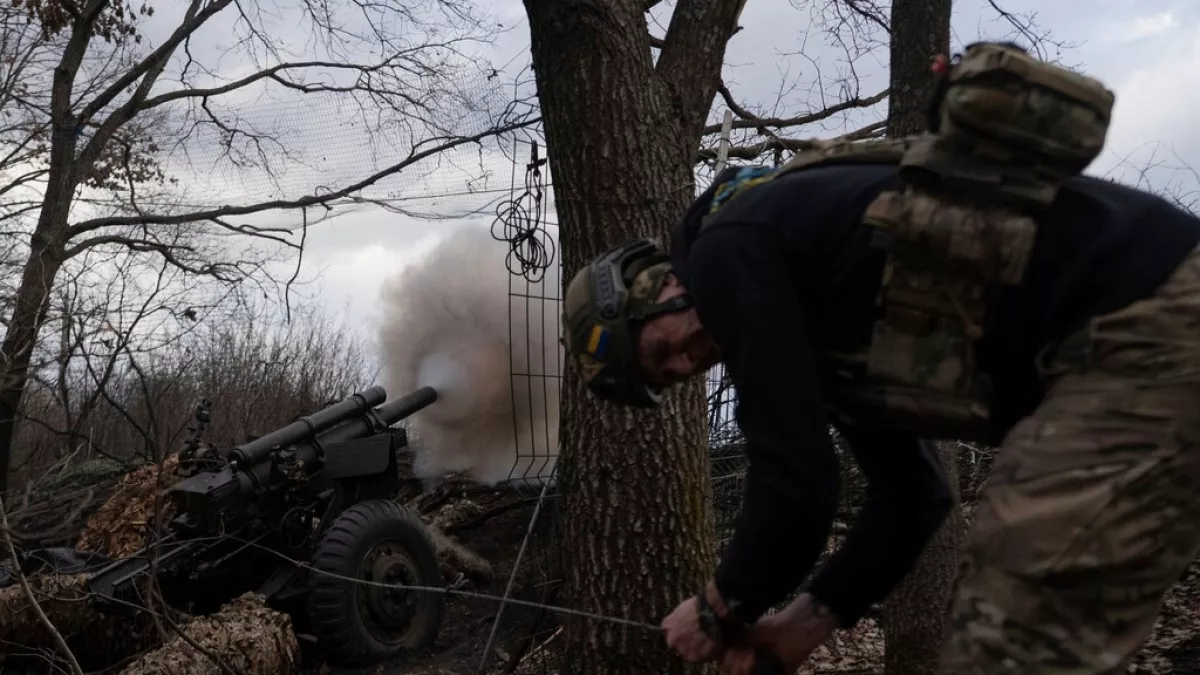
Understanding the Ongoing Conflict in Ukraine
Introduction
The conflict in Ukraine has become one of the most pressing geopolitical issues of the 21st century, drawing international attention and concern. Since 2014, when Russia annexed Crimea, the situation has escalated into a full-scale war that has devastated the country and caused a humanitarian crisis affecting millions. Understanding the complexities of the conflict is crucial not only for global political dynamics but also for humanitarian efforts being undertaken to assist those affected by the war.
Current Developments
As of late 2023, the conflict continues to rage, marked by intense battles in the eastern regions of Ukraine, particularly around the Donetsk and Luhansk oblasts. Ukrainian forces have made significant headway in their counteroffensive operations, targeting Russian supply lines and positions. This progress has been bolstered by continued military support from Western allies, including advanced weaponry and training. Recent reports indicate that Ukraine has regained substantial territory, but Russian forces remain entrenched in several key areas.
Humanitarian Impact
The humanitarian toll of the conflict cannot be overstated. According to the United Nations, over 14 million people have been displaced since the conflict began, with millions more requiring urgent assistance. Aid organizations are facing challenges in accessing certain regions to provide necessary supplies, medical assistance, and support. In response, various international bodies are coordinating efforts to deliver food, water, and medical care to those in need, while also working to address the psychological impact of war on the civilian population.
International Response
International reaction to the situation in Ukraine has been robust, with numerous countries imposing sanctions on Russia and supplying Ukraine with military and humanitarian support. Recently, NATO’s ongoing discussions regarding the expansion of military aid reflect the alliance’s commitment to assisting Ukraine in its struggle for sovereignty and democratic stability. The global community remains divided, with some nations advocating for diplomatic solutions while others push for continued military engagement.
Conclusion
The situation in Ukraine remains fluid and complex, with both military and humanitarian dimensions that require ongoing attention. As the conflict continues, the need for diplomatic solutions grows ever more pressing. For global citizens, understanding the implications of this war is essential, as it not only shapes the future of Ukraine but also impacts international relations in the broader context. The resilience of the Ukrainian people in the face of adversity highlights the importance of solidarity and support from the global community.