Understanding Rojava: A Distinct Form of Autonomy
poellauer-news >> Politics>> Understanding Rojava: A Distinct Form of Autonomy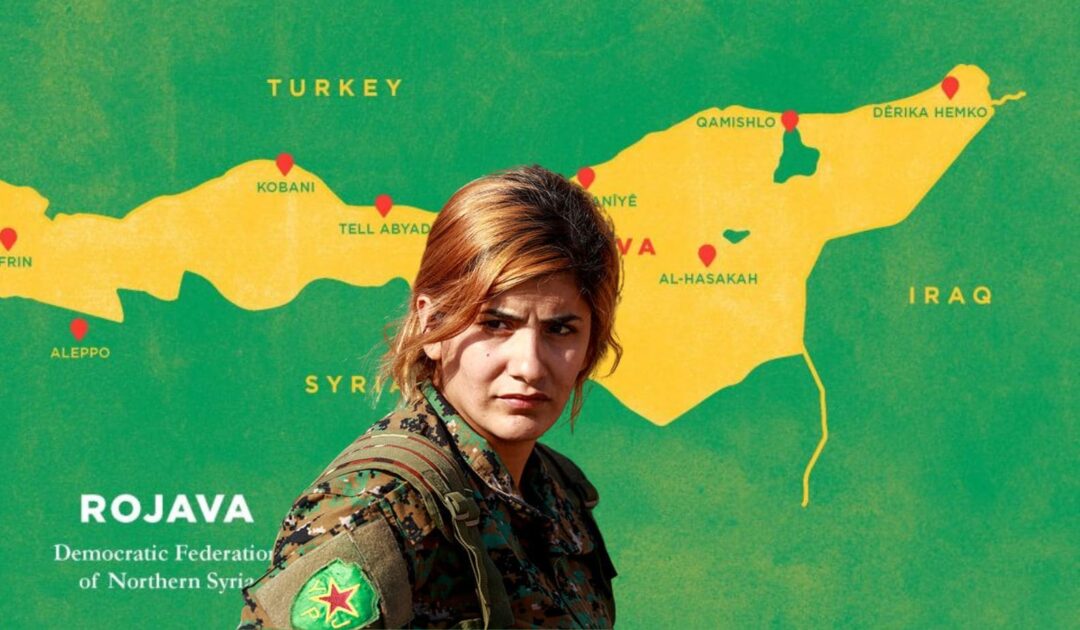
Understanding Rojava: A Distinct Form of Autonomy
Introduction to Rojava
Rojava, officially known as the Autonomous Administration of North and East Syria, has emerged as a significant entity in the Middle East over the past decade. This Kurdish-led region has attracted global attention due to its unique model of governance that prioritizes democracy, ethnic inclusivity, and gender equality. As the Syrian civil war continues to evolve, the developments in Rojava hold implications for regional stability and international relations.
Current Events in Rojava
In recent months, Rojava has faced numerous challenges, including economic difficulties and external threats, primarily from Turkey, which views the Kurdish forces as a terrorist group. Following Turkey’s military incursions into northern Syria, the SDF (Syrian Democratic Forces) have been strained, working to safeguard their autonomy against aggressive incursions while also managing internal security and civil governance.
Humanitarian Issues and Responses
The region is also grappling with humanitarian crises, including the management of camps housing displaced persons and former ISIS fighters. International organisations have raised concerns about the living conditions in these camps and the security risks they pose. The Autonomous Administration has sought to establish programs that promote stability, education, and healthcare in an effort to address growing discontent and hardship.
Significance of Rojava’s Governance Model
Rojava is often celebrated for its form of grassroots democracy, known as the „Confederalism“ approach, which empowers local councils and communities to govern themselves. Additionally, Rojava places a strong emphasis on women’s rights, with a significant percentage of leadership positions filled by women. This dual focus on pluralism and gender equality makes Rojava a compelling case study in alternative governance forms.
Conclusion: The Future of Rojava
As tensions persist in the region, the future of Rojava remains uncertain. Its successes and challenges are a microcosm of broader Middle Eastern dynamics, illustrating the struggle for autonomy and self-determination amidst external pressures and civil strife. For readers, understanding Rojava’s situation is crucial to recognising the evolving nature of regional politics, the fight for Kurdish recognition, and the ongoing impact of international engagement in Syria.