Understanding Kurdistan: Cultural and Political Landscape
poellauer-news >> Politics>> Understanding Kurdistan: Cultural and Political Landscape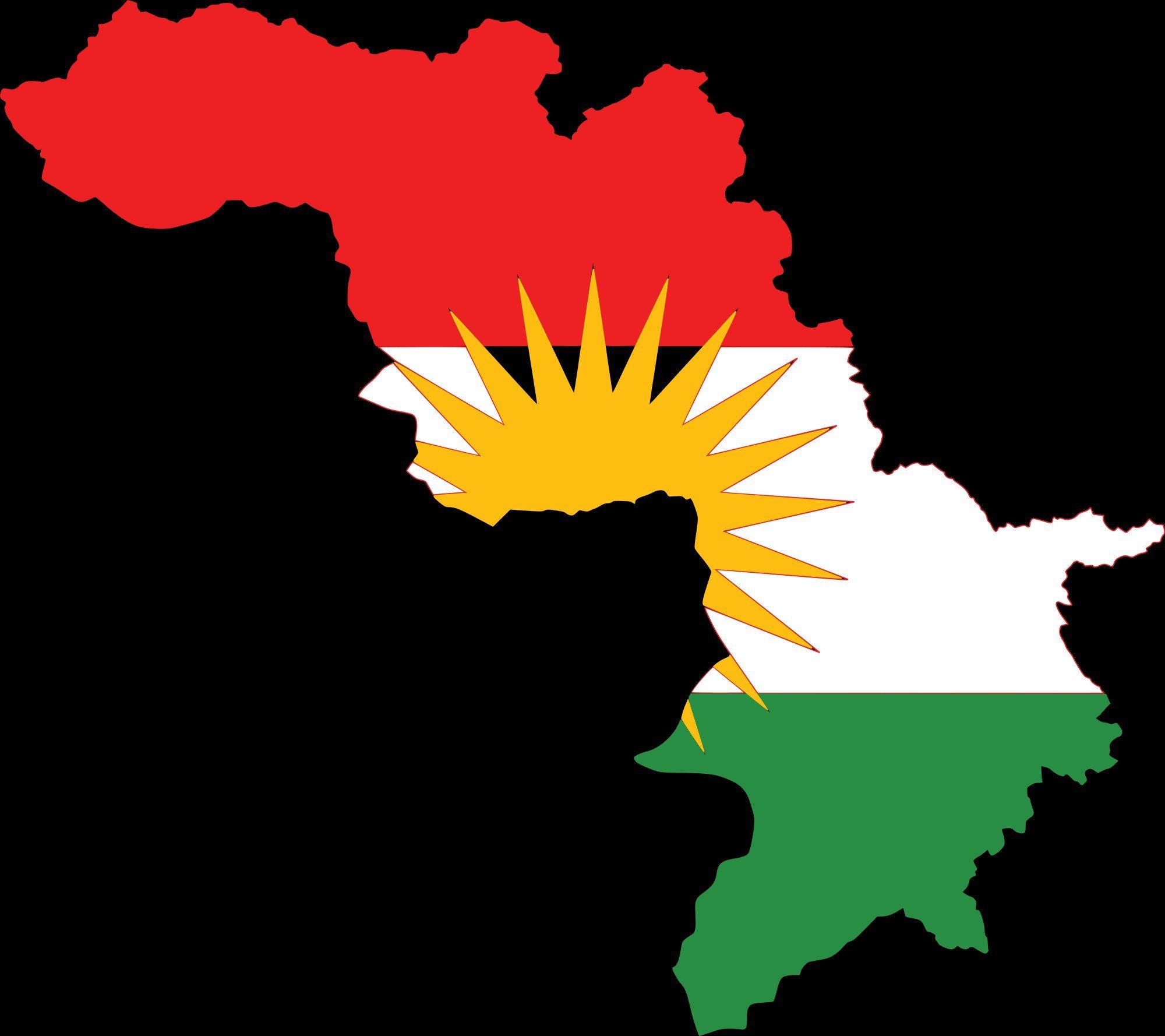
Understanding Kurdistan: Cultural and Political Landscape
Introduction
Kurdistan, a geo-cultural region spanning across parts of Turkey, Iraq, Iran, and Syria, holds significant importance due to its rich cultural heritage, resource wealth, and ongoing geopolitical dynamics. With the Kurdish population exceeding 30 million, understanding Kurdistan is pivotal in comprehending the complex socio-political landscape of the Middle East.
The People and Culture of Kurdistan
The Kurds have a distinct identity, with their own language, traditions, and social structures. The region is known for its mountainous terrain, which has historically provided shelter and a sense of independence for its people. Major celebrations like Nowruz, the Kurdish New Year, have become symbols of Kurdish nationalism, reflecting their aspirations for recognition and autonomy. Moreover, the rich folklore and vibrant arts scene contribute to the cultural tapestry of this region.
Political Significance
In recent years, Kurdistan’s political significance has escalated, particularly in the context of the fight against ISIS, where the Kurdish forces played a crucial role. The Kurdistan Regional Government (KRG) in Iraq has gained more autonomy, which has sparked discussions about potential independence. However, such aspirations are met with resistance from the governments of the countries hosting Kurdish populations. The geopolitical interests of regional and global powers add another layer of complexity; for example, the relationship between the Kurdish authorities and the U.S. versus the strained ties with Turkey and Iran creates a tightrope scenario for Kurdish leaders.
Current Events
As of late 2023, the Kurdistan region continues to navigate economic challenges, especially considering the heavy reliance on oil revenues which are volatile in nature. Moreover, the ongoing tensions with Baghdad, particularly over budget allocations and disputes regarding oil exports, are pressing issues that affect stability in the region. Additionally, Kurdish groups in Syria are contending with Turkish military operations aimed at curbing Kurdish autonomy. The regional dynamics thus remain fluid, with potential implications for international diplomacy.
Conclusion
Kurdistan’s significance in today’s world cannot be overstated. Its cultural richness and political ambitions shape crucial aspects of Middle Eastern geopolitics. As global attention continues to focus on issues of autonomy, self-determination, and resource allocation, the situation in Kurdistan deserves close observation. With fluctuating regional alliances and potential internal challenges, the future of Kurdistan remains a critical subject for analysts and policymakers alike. Understanding this complex region will be essential for those looking to grasp the broader implications of peace and conflict within the Middle East.