Uli Hoeneß: A Journey Through His Life and Career
poellauer-news >> Sports>> Uli Hoeneß: A Journey Through His Life and Career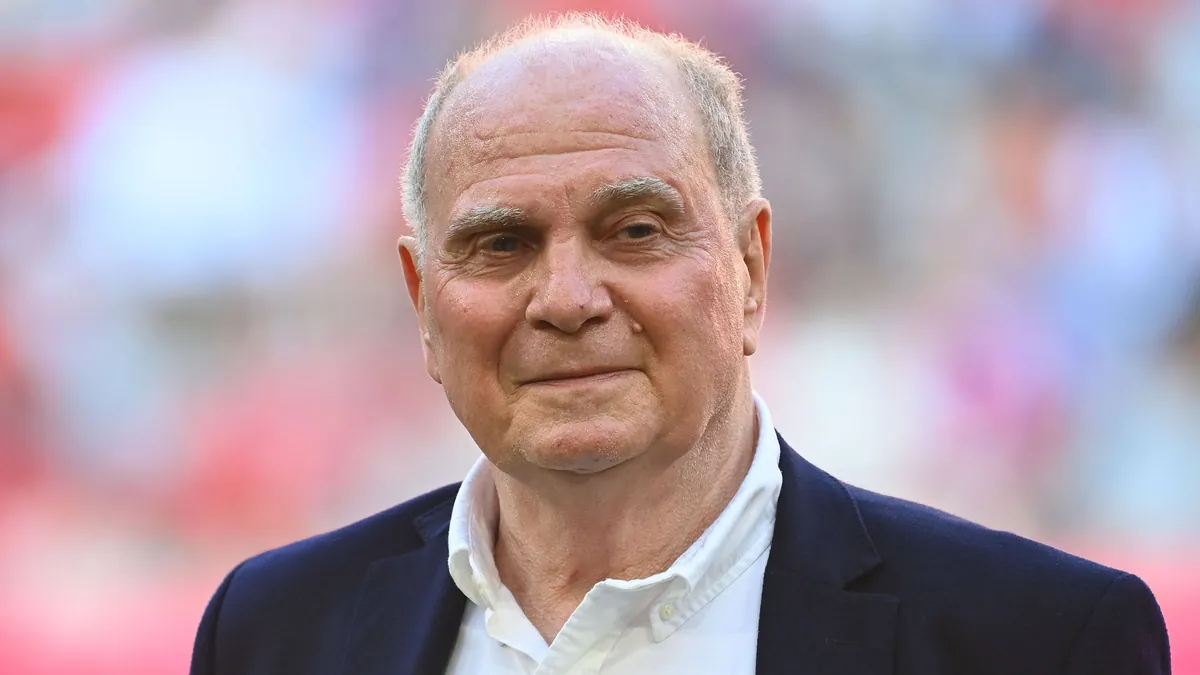
Uli Hoeneß: A Journey Through His Life and Career
Introduction
Uli Hoeneß is a name synonymous with football excellence in Germany. As a former player and president of Bayern Munich, his influence on the sport, both nationally and globally, is profound. Born on January 5, 1952, in Ulm, Hoeneß has witnessed and contributed to remarkable years in football, making him a significant personality in the sports world.
Early Career and Playing Days
Hoeneß began his professional career at Bayern Munich at the age of 18. As a forward, he played an integral role in the team’s successes during the 1970s, including winning three European Cups and four Bundesliga titles. Hoeneß was known for his speed, tactical intelligence, and ability to find the back of the net, securing his place as a key player for the club.
Transition to Management
After retiring from professional football in 1979 due to a serious injury, Hoeneß transitioned into management and later administration. He took up the role of general manager of Bayern Munich, where he played a crucial role in reshaping the club and leading it to unprecedented success. Under his leadership, Bayern won numerous titles, including multiple UEFA Champions League trophies and domestic championships. His vision and perseverance helped Bayern Munich become a powerhouse in European football.
Controversies and Personal Challenges
Hoeneß’s life has not been without its controversies. In 2014, he was sentenced to prison for tax evasion but served just over half of his sentence before being released. This incident, while overshadowing some aspects of his legacy, did not diminish his status in football. Since his release, Hoeneß has been actively involved in philanthropic efforts and has focused on aiding young athletes in their development.
Current Role and Legacy
As of late 2023, Hoeneß continues to influence football through his role at Bayern Munich as honorary president. His commitment to the club and the sport remains unwavering. He is often sought after for his insights on football management and strategy, making him a respected figure among fans and fellow executives alike.
Conclusion
Uli Hoeneß’s journey reflects the highs and lows of a rich football career. His contributions to Bayern Munich and German football have left an indelible mark that will not be forgotten. As he continues to mentor and guide the next generation of players, Hoeneß remains a significant figure whose legacy will influence football for years to come. For fans and aspiring athletes, his story is a testament to resilience, passion, and dedication in the world of sports.