The S-Bahn Berlin: A Key Component of Urban Transportation
poellauer-news >> Transportation>> The S-Bahn Berlin: A Key Component of Urban Transportation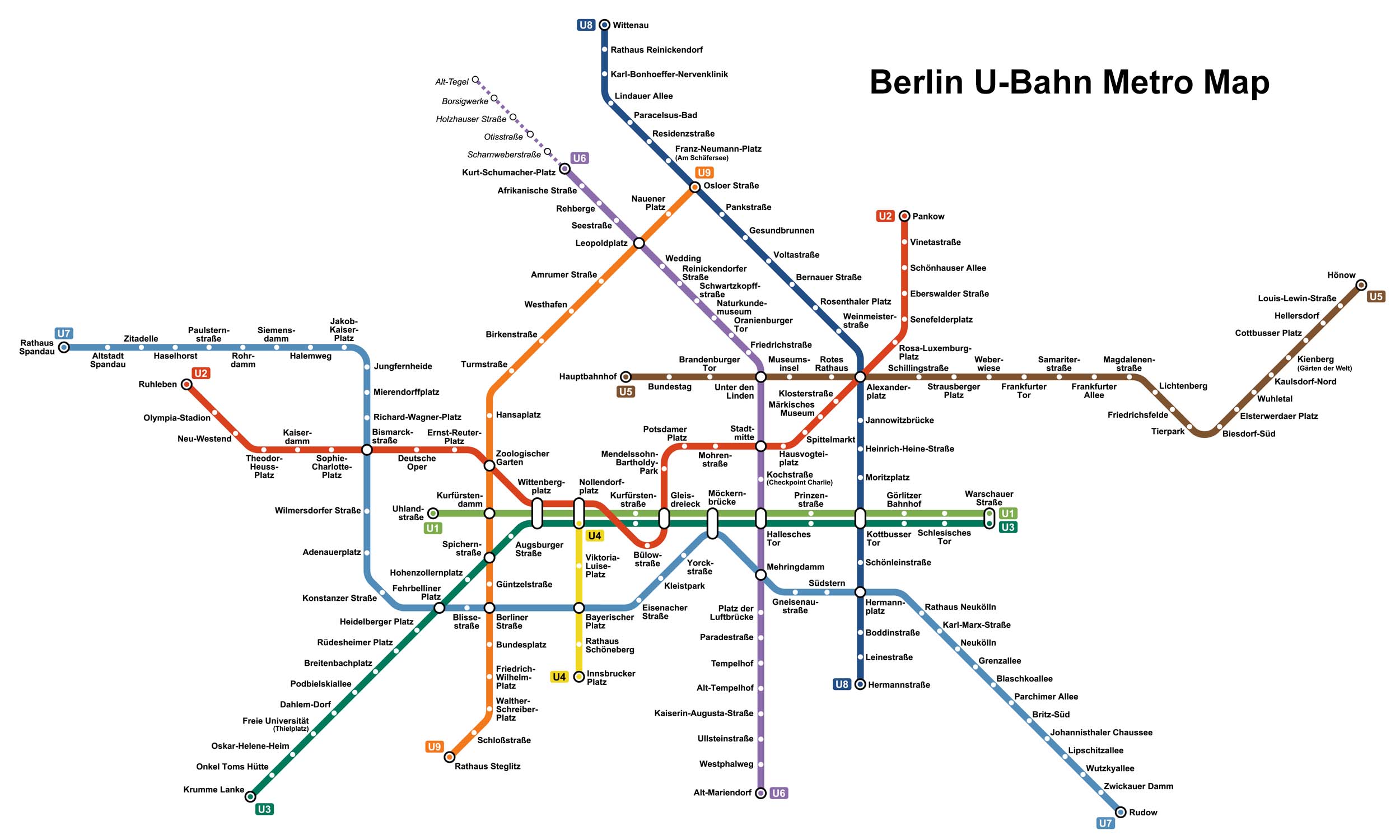
The S-Bahn Berlin: A Key Component of Urban Transportation
Introduction to the S-Bahn Berlin
The S-Bahn Berlin is an essential part of the city’s public transportation network, providing vital connections across Berlin and its suburbs. With its extensive reach, the S-Bahn plays a significant role in daily commuting, helping over a million passengers navigate the bustling city.
History and Development
The S-Bahn, short for Schnellbahn or „fast train,“ has a rich history dating back to 1924 when the first line opened. Originally designed to connect Berlin’s bustling centres, it has evolved over the years to include over 15 lines and more than 170 stations. The reunification of Germany in 1990 led to significant expansions, integrating formerly East and West Berlin services and enhancing connectivity.
Current Services and Operations
Today, the S-Bahn operates under the supervision of Deutsche Bahn, offering services that span regions from the heart of Berlin to surrounding areas like Potsdam and Oranienburg. The trains run frequently, with intervals as short as 5 to 10 minutes during peak hours, ensuring swift and reliable transport for commuters. The system is also undergoing upgrades, including modernisation of rolling stock and station facilities, aimed at improving the overall passenger experience.
Impact on Daily Life
The S-Bahn is crucial for sustaining the daily rhythms of life in Berlin. It provides residents with convenient access to work, education, and recreational activities. The network is particularly well-utilised by students and professionals, who rely upon it to navigate the city efficiently. Additionally, it contributes to reducing traffic congestion and limiting environmental impact, aligning with Berlin’s commitment to sustainable transport solutions.
Future of the S-Bahn Berlin
Looking ahead, the S-Bahn is poised for further developments, including the expansion of lines to better serve residential areas and the introduction of more eco-friendly trains. As the demand for efficient and sustainable urban transport grows, the S-Bahn is expected to play an increasingly vital role in shaping the mobility landscape of Berlin.
Conclusion
The S-Bahn Berlin represents an indispensable part of the urban infrastructure. As it continues to adapt to the changing needs of the population, its reliability and extensive coverage ensure that it remains a favoured choice for transportation in one of Europe’s most vibrant cities.