The Relationship Between Donald Trump and Emmanuel Macron
poellauer-news >> Politics>> The Relationship Between Donald Trump and Emmanuel Macron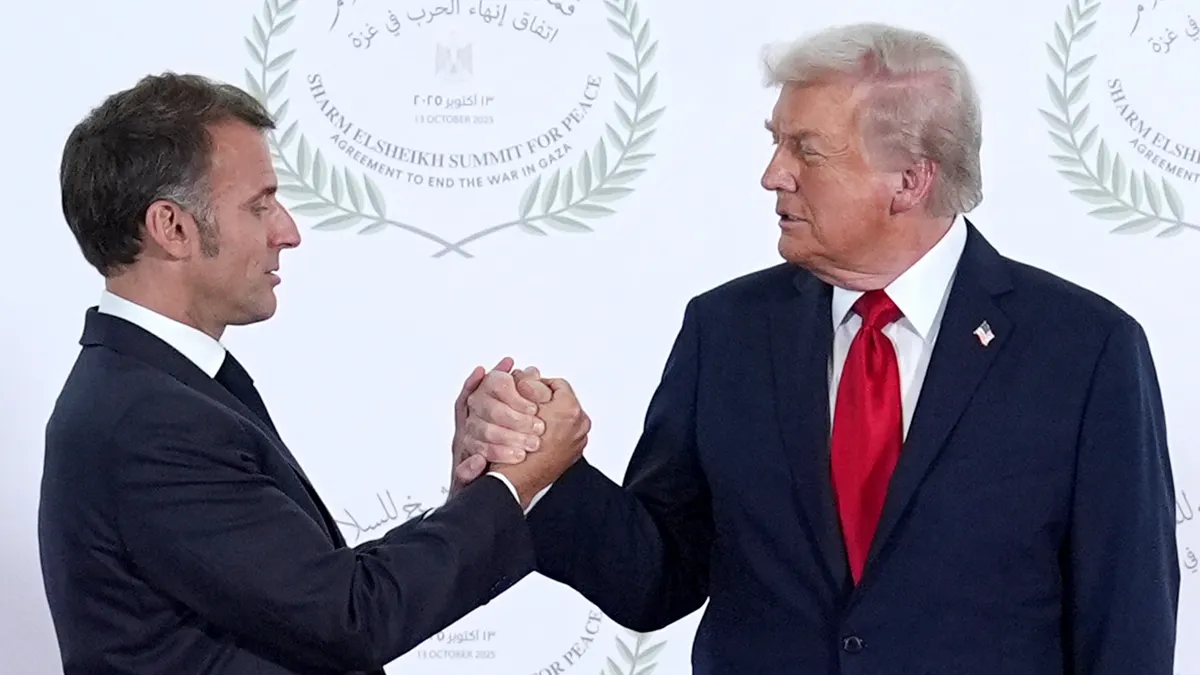
The Relationship Between Donald Trump and Emmanuel Macron
Introduction
The relationship between former US President Donald Trump and French President Emmanuel Macron has been a focal point of international politics. As two prominent leaders, their interactions have significant implications for global diplomacy, trade agreements, and international security. Understanding their relationship sheds light on the evolving dynamics of transatlantic relations in a rapidly changing world.
Main Body
Donald Trump and Emmanuel Macron first met in 2017, shortly after Macron’s election. Their initial meeting was marked by a firm handshake that symbolized the complexities of US-French relations. While both leaders expressed respect for each other, stark differences soon emerged, particularly regarding climate change and trade policies.
During Trump’s administration, he withdrew the US from the Paris Climate Agreement, a move that was heavily criticized by Macron. In response, Macron positioned himself as a global leader in the fight against climate change, famously stating, „Make our planet great again,“ in a bid to reaffirm France’s commitment to environmental issues. This divergence highlighted the philosophical gap between the two leaders.
Trade relations also became a contentious issue, as Trump imposed tariffs on European steel and aluminium, citing national security concerns. Macron’s administration expressed concern about these tariffs, arguing that they threaten the relationship between the EU and the US while unintentionally bolstering American competitors.
However, despite these differences, Trump and Macron have also found common ground. Their discussions revolving around security measures in the Middle East and combating terrorism showcased a partnership that transcended personal views. Both leaders have emphasized the importance of NATO and the need for equitable burden-sharing among member states, a point of agreement in their bilateral engagements.
Recent Developments
With the Biden administration now in office, the Trump-Macron relationship serves as a reference point for understanding the current political landscape. Macron has navigated his foreign policy with a focus on mending ties with the US while maintaining a strong stance on European autonomy, especially in areas of defence and technology.
Conclusion
The relationship between Donald Trump and Emmanuel Macron illustrates the complexities of international politics where personal relationships can significantly impact broader geopolitical strategies. As world leaders adjust to new global realities, the legacies of their interactions will likely influence future diplomatic relations. Observers expect that future dynamics between the US and France will continue to evolve, particularly as new leaders emerge in the coming years. Understanding the nuances of Trump and Macron’s interactions helps to grasp the broader context of contemporary international relations.