The Historical Significance of Bad Arolsen
poellauer-news >> Culture>> The Historical Significance of Bad Arolsen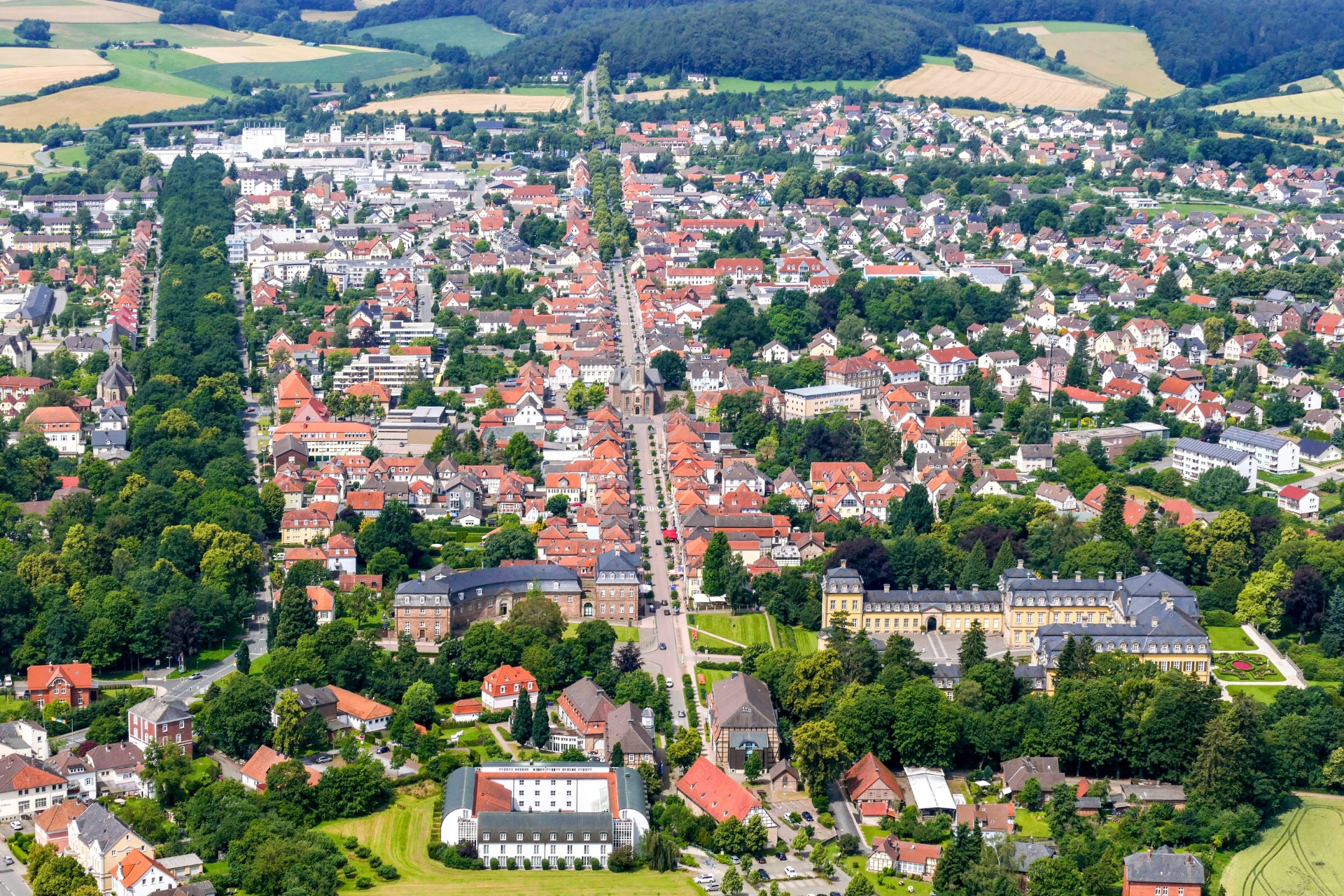
The Historical Significance of Bad Arolsen
Introduction
Bad Arolsen, a small town in Germany, has gained international recognition for its significant role during and after World War II. With its history tied to the International Tracing Service (ITS), Bad Arolsen serves as a poignant reminder of the atrocities committed during the Holocaust and ongoing efforts to preserve human rights today. Understanding the history and current function of Bad Arolsen is crucial for those interested in history, human rights, and memorialisation.
Historical Context
Founded in the 18th century, Bad Arolsen’s notoriety emerged during WWII when it became the location of the ITS, which was established in 1943 to document and trace missing persons and victims of Nazi persecution. The archives held in Bad Arolsen contain valuable records of over 17 million individuals, including displaced persons, concentration camp survivors, and their families. Today, it serves as a vital resource for researchers, historians, and families seeking closure about lost relatives.
Current Activities in Bad Arolsen
In recent years, Bad Arolsen has transformed into a centre for education, research, and memorialisation. The Arolsen Archives, which houses the ITS records, has made significant strides towards accessibility. Digitalisation of documents has allowed global access to vital information regarding victim identification, ensuring that these stories are remembered. The community also hosts various educational programs and exhibitions aimed at providing insight into the consequences of totalitarian regimes and the importance of human rights activism.
Conclusion
With its rich history and ongoing commitment to education and remembrance, Bad Arolsen continues to play a critical role in fostering a deeper understanding of the Holocaust and the importance of protecting human rights. As the town embraces digital innovations and increases public access to its archives, the future looks promising for both historical research and the advocacy of human rights. Bad Arolsen remains a vital reference point as we strive to honour those lost in the past while preventing such tragedies in the future.