Mette Frederiksen: Denmark’s Influential Leader
poellauer-news >> Politics>> Mette Frederiksen: Denmark’s Influential Leader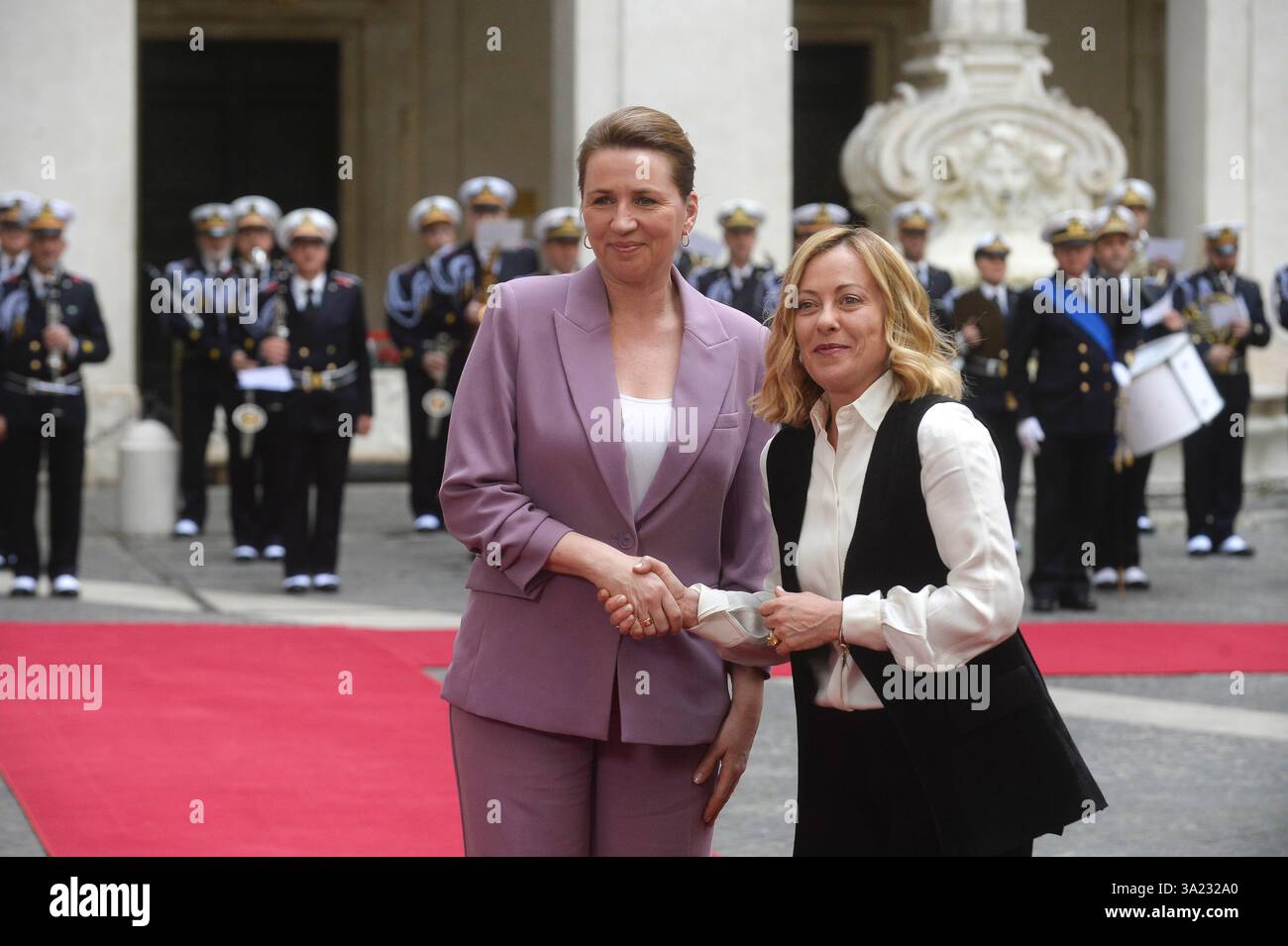
Mette Frederiksen: Denmark’s Influential Leader
Introduction
Mette Frederiksen, the Prime Minister of Denmark, has emerged as a decisive leader during challenging times. Since taking office in June 2019, Frederiksen has navigated her government through a pandemic, various economic challenges, and significant social issues. Her leadership style and policies are shaping Denmark’s future and setting an example internationally.
Managing the Pandemic
One of Frederiksen’s first major tests as Prime Minister was the COVID-19 pandemic. Denmark was quick to implement stringent lockdown measures, ensuring public health and safety. Under her leadership, Denmark rolled out one of the most efficient vaccination campaigns in Europe, with over 80% of the population vaccinated by late 2021. This swift action has been crucial in limiting the spread of the virus and reducing mortality rates.
Climate Change Policy
Frederiksen’s government is also focused on ambitious climate goals. Denmark aims to be carbon-neutral by 2050, with a 70% reduction in greenhouse gas emissions by 2030. The government has introduced measures to support renewable energy, with significant investments in wind energy being at the forefront. Frederiksen’s policies are increasingly being scrutinised and admired globally as countries grapple with their own climate commitments.
Social Issues and Labour Rights
Social equality and labour rights are core components of Frederiksen’s agenda. Her administration has advocated for reforms to improve workplace conditions and promote welfare policies that aim to support vulnerable groups in society. These initiatives reflect Denmark’s longstanding commitment to social democracy and are pivotal in maintaining the country’s high living standards.
Conclusion
Mette Frederiksen has proven herself to be a formidable leader committed to progressive values during her tenure. As her government approaches critical parliamentary elections in 2025, observers will be keenly watching how her policies play out and their implications for Denmark’s political future. Her effective management during crises and forward-thinking initiatives will likely influence not only Denmark but also serve as a model for other nations facing similar challenges.