Exploring the Wonders of Steiermark in Austria
poellauer-news >> Travel>> Exploring the Wonders of Steiermark in Austria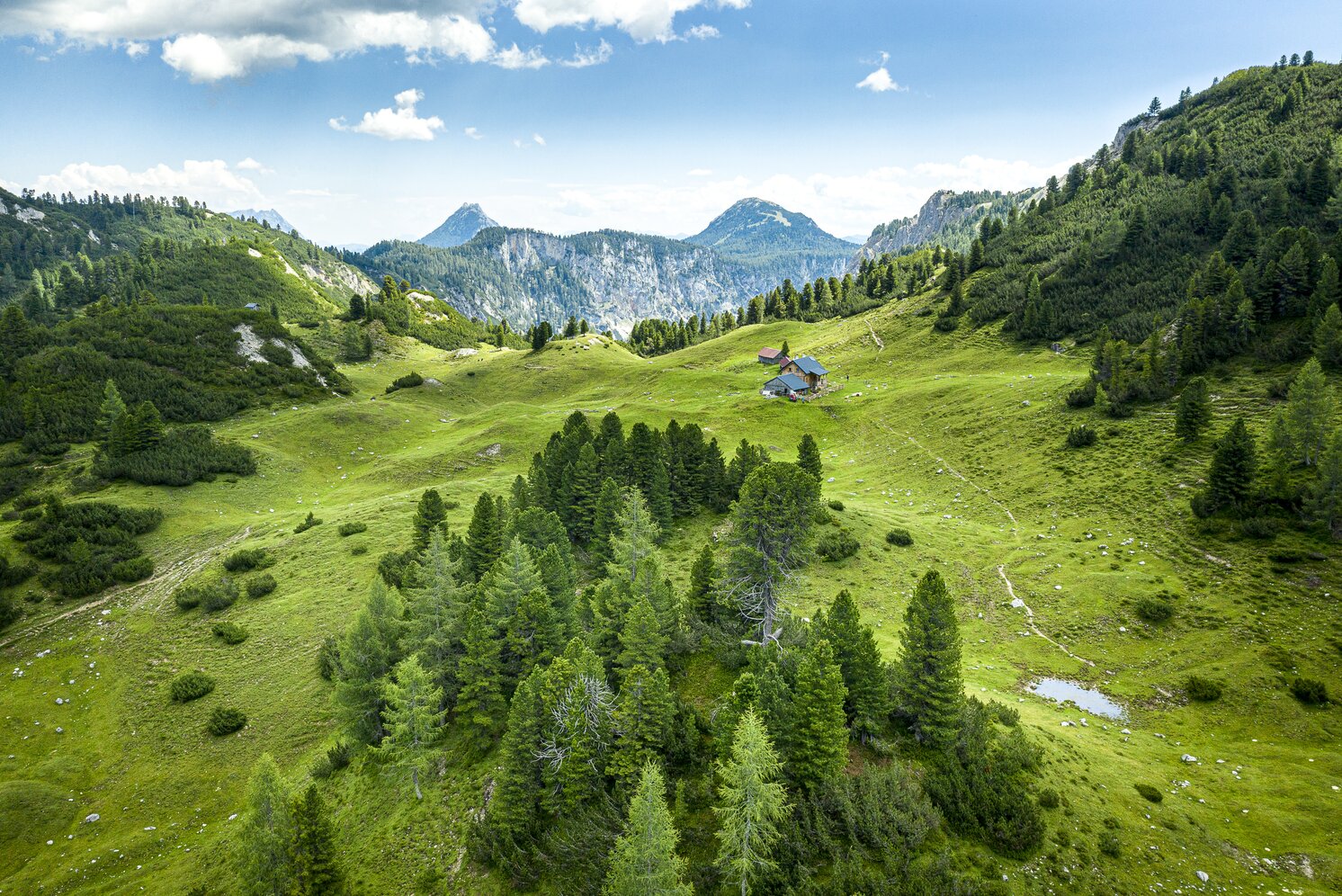
Exploring the Wonders of Steiermark in Austria
Introduction to Steiermark
Steiermark, also known as Styria, is a picturesque federal state in Austria, renowned for its lush landscapes, wine production, and rich cultural heritage. As one of Austria’s greenest regions, Steiermark is often referred to as the ‚green heart‘ of the country, attracting visitors who seek both adventure and relaxation. With an array of wineries, hiking trails, and historical landmarks, it plays a crucial role in Austria’s tourism and economy.
Wine Culture and Vineyards
Steiermark is particularly famous for its wine, especially the white varieties made from grape types like Sauvignon Blanc and Welschriesling. The region’s unique climate and soil conditions create the perfect environment for viticulture. The Wine Road in southern Styria is a popular route for both tourists and locals, featuring numerous vineyards that offer tasting tours, wine festivals, and culinary experiences. In 2022, Steiermark’s wine industry reported a 15% increase in exports, highlighting its growing reputation on the international stage.
Natural Beauty and Outdoor Activities
Beyond its vineyards, Steiermark boasts breathtaking natural landscapes, including the Dachstein Mountains and numerous national parks such as Gesäuse National Park. These areas provide ample opportunities for hiking, skiing, and nature observation. The picturesque landscapes are home to diverse flora and fauna, making it a biodiversity hotspot. In recent months, local tourism boards have seen a 20% increase in outdoor activity bookings, as more people seek to reconnect with nature following the global pandemic.
Cultural Significance
The rich history and culture of Steiermark are celebrated in various festivals and events throughout the year. The region is known for its traditional crafts, including the famous Styrian pumpkin seed oil. Museums and heritage sites dot the landscape, including the historic city of Graz, a UNESCO World Heritage site that showcases stunning architecture, from the medieval Schlossberg to modern art exhibits. Recent investments in cultural infrastructure aim to enhance tourism and attract international visitors.
Conclusion
Steiermark is a region that encapsulates the beauty of Austria’s natural landscapes, a thriving wine culture, and rich history. As it continues to develop its tourism infrastructure and promote both its outdoor activities and cultural significance, Steiermark is set to become an even more prominent destination in the coming years. For readers seeking a blend of adventure, relaxation, and culture, Steiermark promises an unforgettable experience.