Exploring Pirmasens: History and Cultural Significance
poellauer-news >> Travel>> Exploring Pirmasens: History and Cultural Significance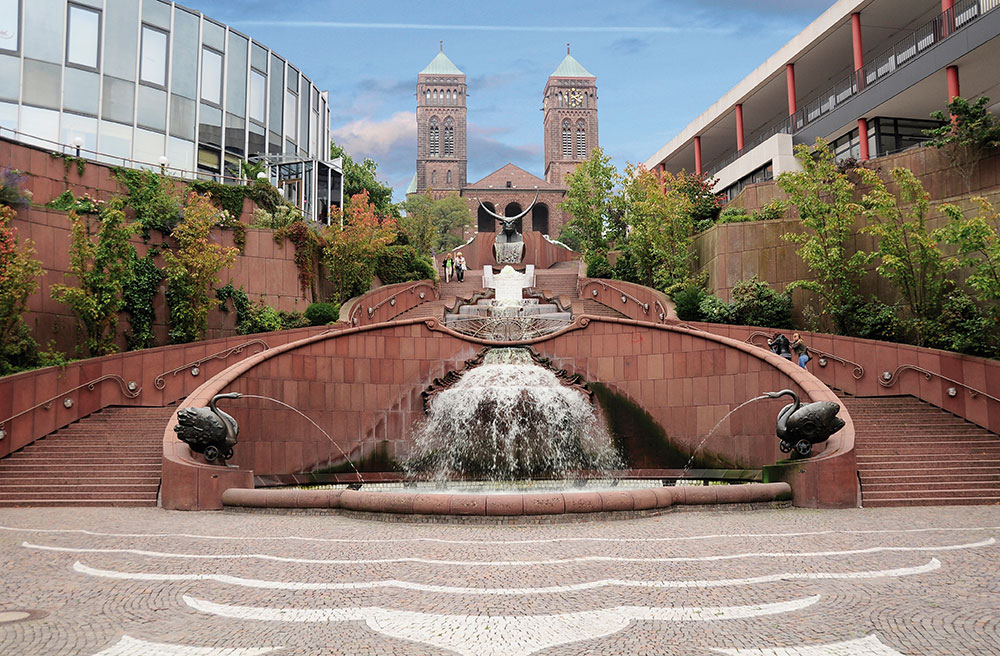
Exploring Pirmasens: History and Cultural Significance
Introduction
Pirmasens, a city located in the southwest of Germany, is often overlooked by tourists but holds great historical and cultural significance. This city, which was primarily known for its shoe manufacturing industry, has evolved through the years into a hub of art, architecture and community spirit. Understanding Pirmasens is vital not only for local heritage but also for appreciating the broader narratives of industrialisation and urban regeneration in Germany.
The Historical Landscape of Pirmasens
Founded in the 18th century, Pirmasens initially thrived as a military garrison before flourishing in the shoe industry during the late 19th century. By the early 20th century, it was known as the ’shoe city‘ of Germany, producing more than 60 million pairs of shoes annually. This boom attracted a workforce that contributed to the city’s expansion and development of infrastructure.
However, with the decline of the shoe industry in the late 20th century, Pirmasens faced economic challenges that led to a decrease in population and vitality. The city has since begun revitalisation efforts, aiming to breathe new life into its historical areas while attracting new businesses and residents.
Recent Developments and Cultural Revival
Today, Pirmasens is undergoing transformation with several key projects aimed at re-establishing its significance. One major initiative includes the renovation of the historic city centre, which features beautiful Art Nouveau architecture, and the development of cultural spaces like the Pirmasens Theatre. Furthermore, the city is leveraging its rich cultural heritage through festivals, local markets, and a bustling arts scene.
Pirmasens in the Context of Modern Germany
Pirmasens serves as a case study for many post-industrial cities grappling with similar challenges. The city’s commitment to sustainable urban development and cultural enrichment demonstrates a forward-thinking approach to urban planning. As Pirmasens redefines its identity, it sets a precedent for other cities in Germany facing similar economic transitions.
Conclusion
The story of Pirmasens is a testament to resilience, innovation, and the power of community. As the city continues to evolve, it not only preserves its rich heritage but also embraces the future. This ongoing journey makes Pirmasens a compelling destination for those interested in the intersection of history, culture, and modern urban development in Germany.