Exploring Cuxhaven: Germany’s Coastal Treasure
poellauer-news >> Travel>> Exploring Cuxhaven: Germany’s Coastal Treasure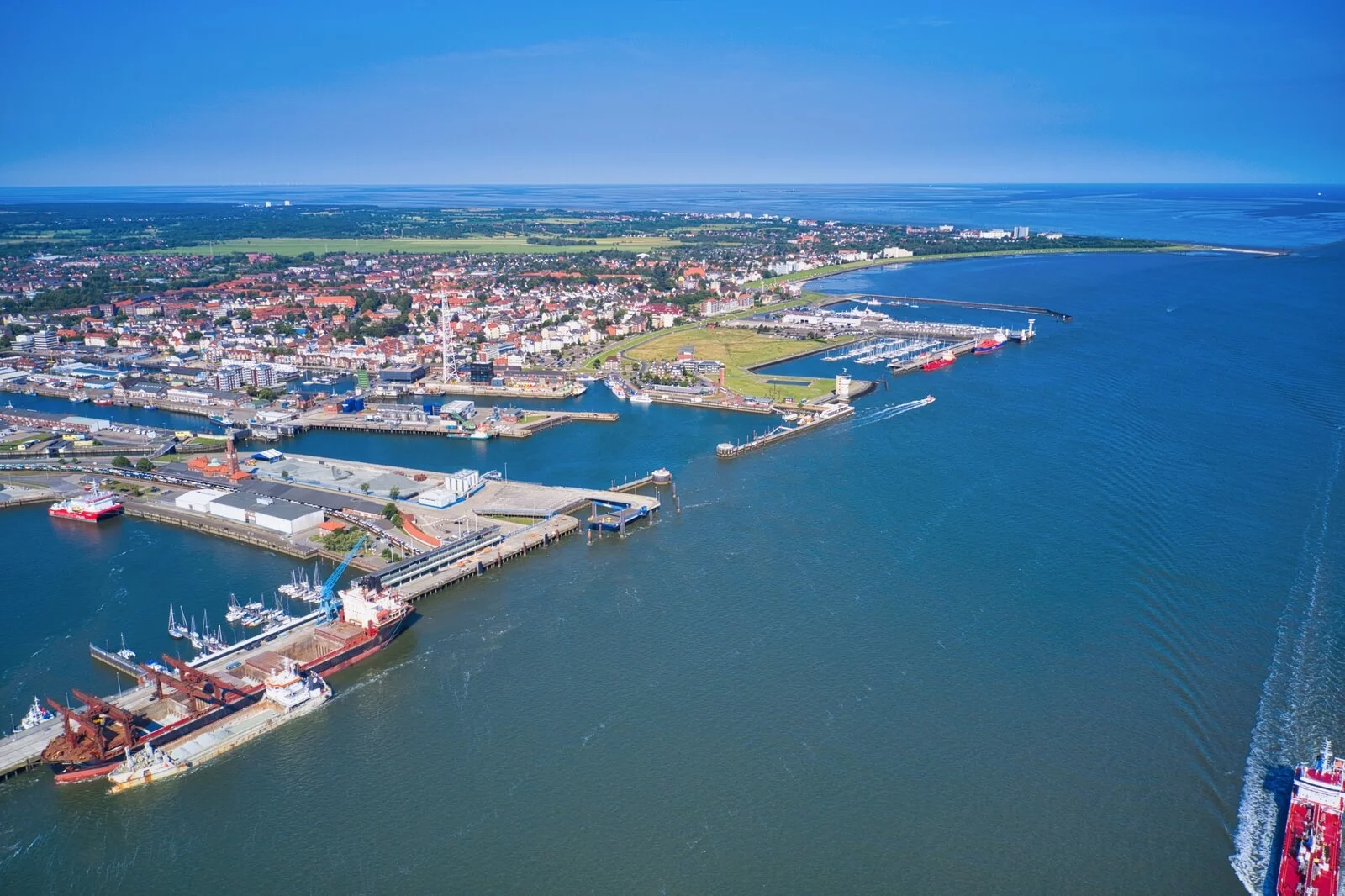
Exploring Cuxhaven: Germany’s Coastal Treasure
Introduction
Cuxhaven, a picturesque seaside town located on Germany’s North Sea coast, is making headlines as a major tourist destination for both locals and international visitors. Known for its scenic beaches, historical significance, and rich maritime culture, Cuxhaven plays a vital role in the region’s tourism economy and offers a unique blend of relaxation and adventure. With growing interest in coastal holidays amid rising temperatures and the post-pandemic travel recovery, Cuxhaven has positioned itself as a top choice for those seeking a serene getaway.
Tourism Growth and Attractions
In recent months, Cuxhaven has experienced a surge in tourism, with a reported 20% increase in visitors compared to last year. A key draw for tourists is the Wadden Sea National Park, a UNESCO World Heritage Site, which offers stunning views and unique opportunities for mudflat hiking and bird watching. The town’s historical lighthouse and the iconic Kugelbake landmark are also popular attractions that highlight Cuxhaven’s maritime heritage.
The town boasts extensive beach facilities, and with the summer season fast approaching, the local government plans to enhance the beachfront area to accommodate the growing number of visitors. New accommodations and eateries are being opened, aiming to cater to diverse preferences and budgets. Local events, such as the annual Cuxhaven Fish Market and the municipal sailing regatta, further enrich the experience for tourists.
Economic Significance
Cuxhaven’s economic landscape is heavily reliant on tourism, which has prompted local authorities to invest in infrastructure and accessibility to ensure a seamless visitor experience. Plans are underway to improve public transport connections from major cities like Hamburg, which is about a two-hour drive, making Cuxhaven more accessible to tourists.
Environmental Considerations
While growth in tourism is beneficial for the local economy, it also raises concerns about environmental sustainability. Ensuring the preservation of the delicate Wadden Sea ecosystem is crucial for Cuxhaven’s long-term viability as a tourist destination. Local authorities are implementing measures such as controlled visitor access to sensitive areas and promoting eco-friendly tourism practices to balance economic benefits with environmental responsibilities.
Conclusion
Cuxhaven stands at the forefront of Germany’s coastal tourism resurgence, offering visitors a unique blend of natural beauty, cultural heritage, and economic accessibility. As the town gears up for the summer season, the focus on sustainable tourism practices is sure to maintain Cuxhaven’s charm as it welcomes an ever-growing number of tourists. For those looking for a peaceful escape or an adventure by the sea, Cuxhaven is undoubtedly worth a visit in the months to come.