Donald Trump’s Proposal to Buy Greenland: What You Need to Know
poellauer-news >> Politics>> Donald Trump’s Proposal to Buy Greenland: What You Need to Know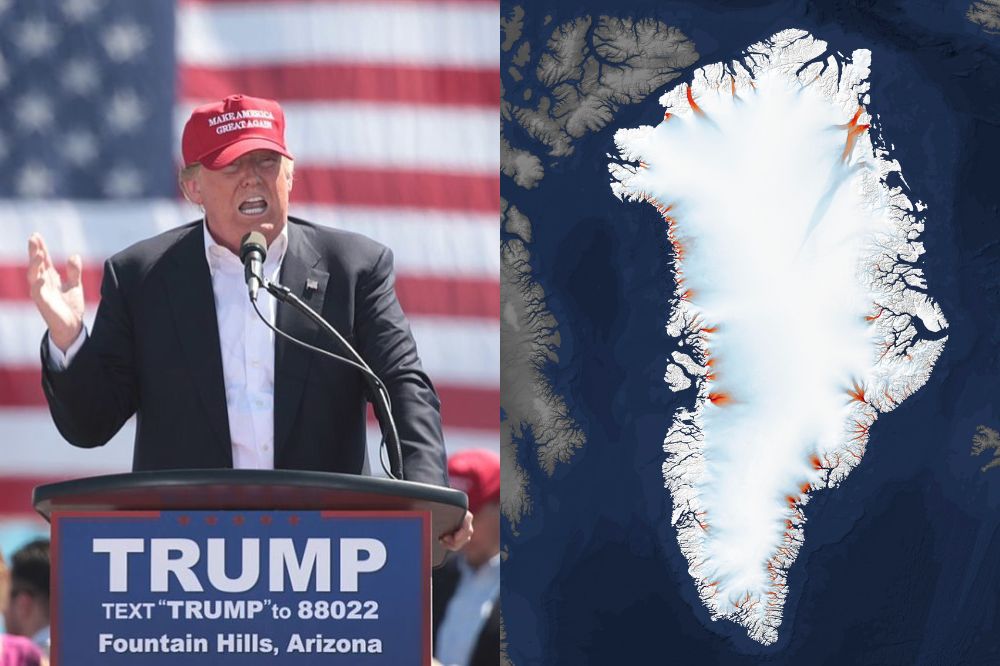
Donald Trump’s Proposal to Buy Greenland: What You Need to Know
Introduction to the Controversy
The idea of purchasing Greenland, a territory of Denmark, gained prominent attention during Donald Trump’s presidency in 2019. This proposal not only stirred international relations but also sparked discussions about colonialism, sovereignty, and the geopolitical significance of the Arctic region.
Trump’s Proposition
In August 2019, it was revealed that Donald Trump had expressed interest in acquiring Greenland, calling it a ’strategic asset‘, which drew widespread media coverage. The suggestion was met with immediate backlash from Danish officials, including Prime Minister Mette Frederiksen, who dismissed the notion as ‚absurd‘. Greenland’s status as an autonomous territory means Danish approval is necessary for any negotiation regarding its future.
Global Responses and Speculations
The purchase proposal caught the attention of not just Danish officials but also the global community. It brought forth historical memories from when the U.S. attempted to buy the territory in the early 20th century. Political analysts noted that Trump’s interest could be related to Greenland’s abundant natural resources and military significance, particularly concerning global warming and the opening of new shipping routes in the Arctic.
Economic and Geopolitical Significance
Greenland is rich in natural resources, including rare minerals, oil, and gas reserves, making it an area of heightened interest to many nations, especially as climate change alters the landscape of international shipping and resources. The Arctic region is becoming increasingly strategic for military and economic considerations, with countries vying for territorial access and resource acquisition.
Conclusion and Future Implications
While the idea of purchasing Greenland is currently off the table, the discussion surrounding it illustrates ongoing tensions in international relations and highlights how geopolitical interests can spark significant dialogue. As climate change progresses and the Arctic becomes more navigable, future negotiations regarding territorial claims and resource access will likely continue to be a focal point in global politics. The attention that Trump’s proposal garnered reflects ongoing interest in Greenland’s future role on the world stage, with implications for sovereignty, national identity, and international law.