Discovering the Wonders of Slowenien
poellauer-news >> Travel>> Discovering the Wonders of Slowenien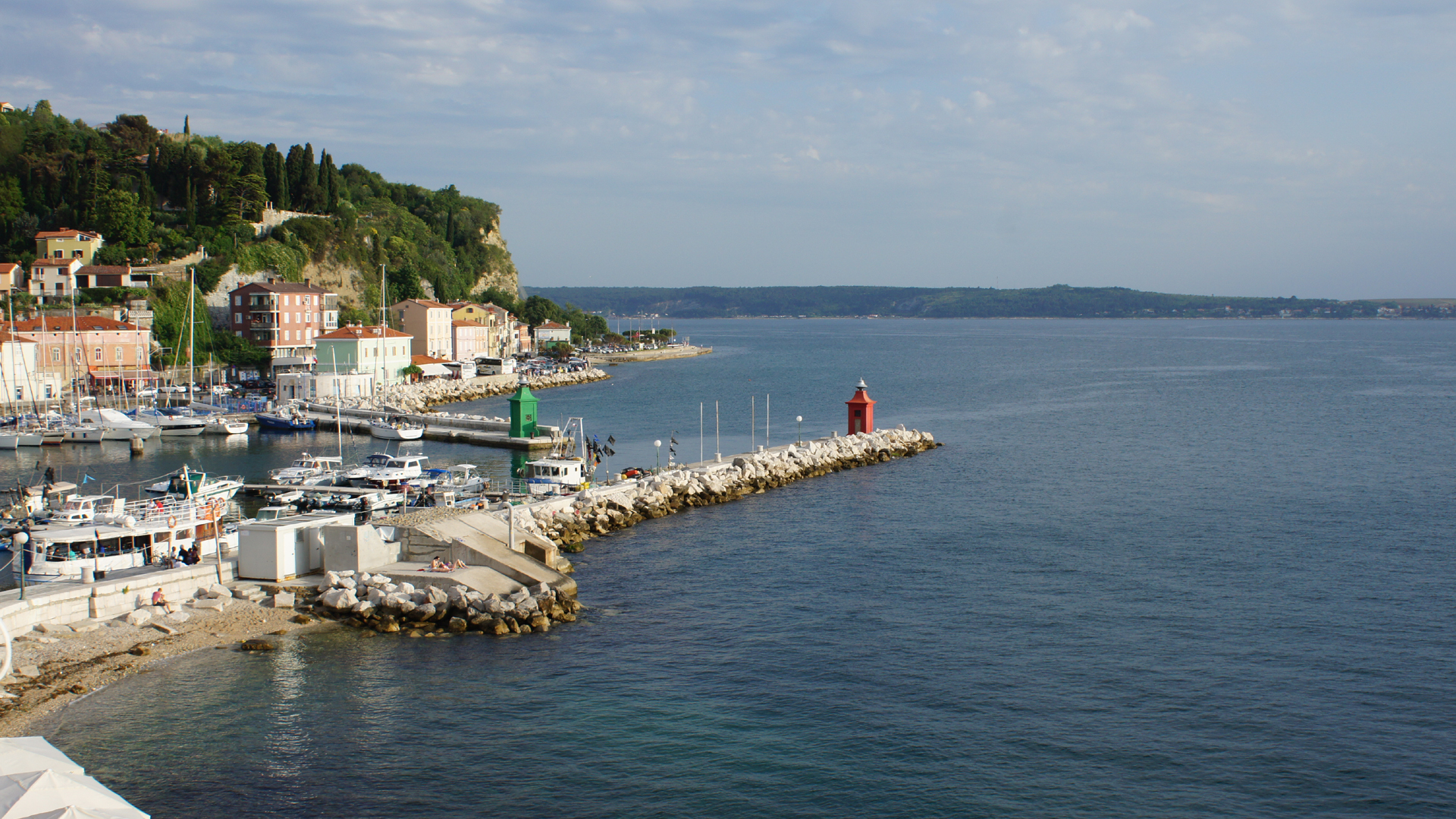
Discovering the Wonders of Slowenien
Introduction
Slowenien, or Slovenia, has emerged as a captivating destination for travellers looking for natural beauty, rich culture, and diverse experiences. Bordered by Italy, Austria, Hungary, and Croatia, it boasts stunning landscapes that range from the majestic Alps to serene lakes and charming coastal towns. As the world increasingly shifts towards sustainable tourism, Slowenien’s commitment to preserving its environment and promoting responsible travel has made it a more relevant and appealing option for global tourists.
Recent Developments in Tourism
According to data from the Slovenian Tourist Board, the country has seen a notable increase in international visitors, particularly from neighbouring countries and beyond. In the first half of 2023, the number of visitors increased by approximately 20% compared to the previous year, predominantly in the summer months when tourists flock to explore its scenic routes and national parks. The famous Lake Bled, which features a picturesque church island amidst emerald waters, has become a symbol of Slowenien’s alluring charm.
The capital, Ljubljana, is gaining recognition for its vibrant arts scene, extensive bike pathways, and pedestrian-friendly areas. Recent investments in infrastructure aim to enhance the visiting experience, making the city even more accessible. Cultural events, such as the Ljubljana Festival, attract artists and audiences from around the globe, fostering a dynamic cultural exchange.
Natural Wonders
The country’s commitment to sustainability is also evident in its extensive protected areas, such as Triglav National Park, which reflects Slovenia’s dedication to conserving its biodiverse ecosystems. Outdoor enthusiasts are increasingly drawn to its hiking trails, cycling routes, and skiing resorts during the winter months, showcasing the dual appeal of Slowenien as a year-round destination.
Adventurous visitors can partake in activities like white-water rafting on the Soča River, one of the cleanest rivers in Europe, or exploring the underground world of the Škocjan Caves, a UNESCO World Heritage site known for its extraordinary limestone formations.
Conclusion
Slowenien is not just a beautiful destination; it is a symbol of responsible tourism and environmental preservation. As the tourism sector continues to flourish, the country offers a diverse array of experiences that cater to various tastes and preferences. For travellers looking for a stunning yet calm escape, Slovenia presents an opportunity to enjoy nature, history, and culture in harmony with the environment. As we move towards a post-pandemic world, Slowenien’s focus on sustainability and heritage tourism may set a precedent for other nations aiming to balance tourism growth with ecological responsibility.