Benedetta: A Controversial Film Stirring Debate
poellauer-news >> Culture>> Benedetta: A Controversial Film Stirring Debate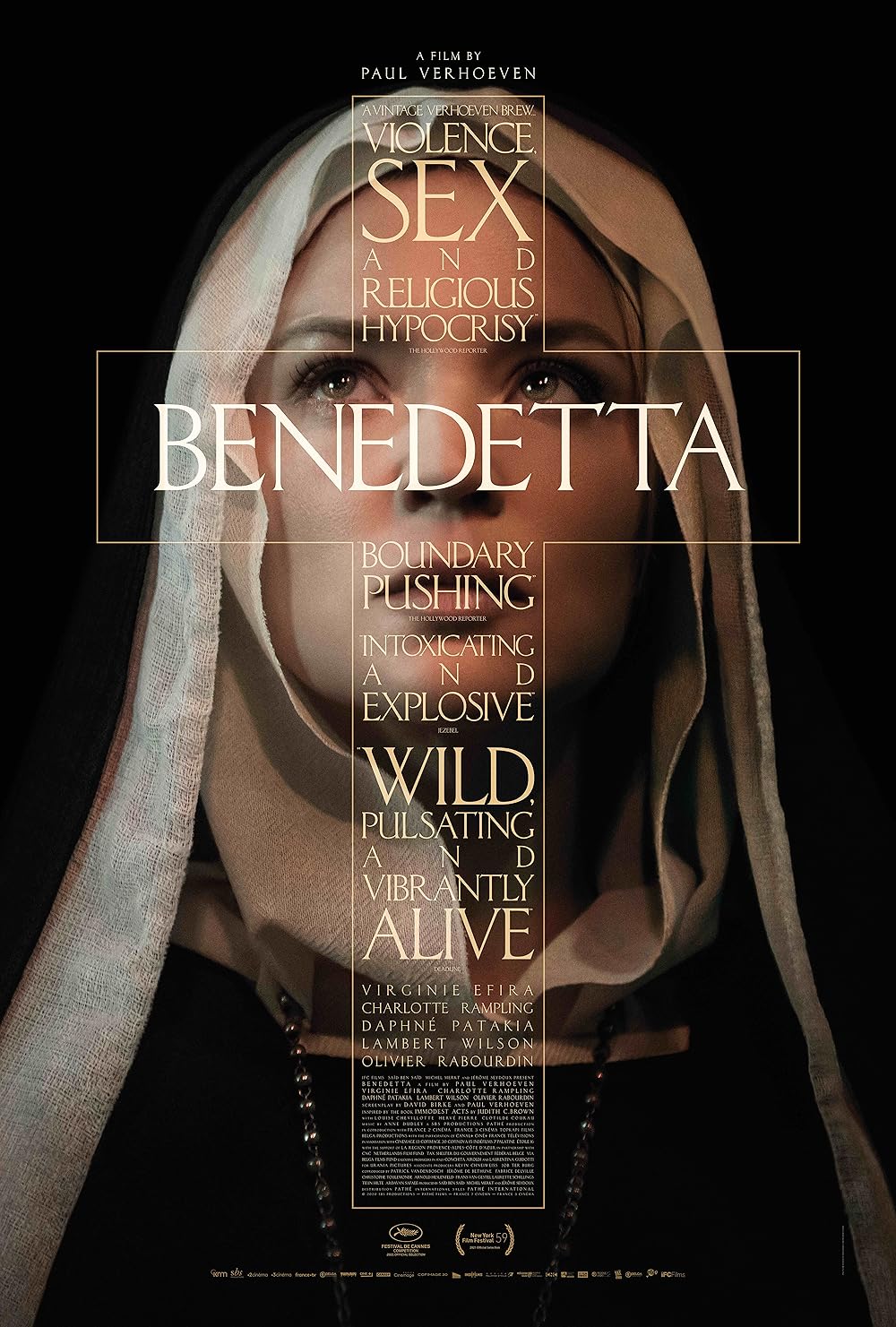
Benedetta: A Controversial Film Stirring Debate
Introduction
The film ‚Benedetta‘, directed by Paul Verhoeven, has been at the forefront of cinematic discussions since its release. The film’s blend of religious themes, eroticism, and historical narrative has made it both celebrated and critiqued. As audiences engage with its provocative content, the conversations surrounding the representation of faith and sexuality in cinema become increasingly relevant in today’s society.
Overview of the Film
‚Benedetta‘ is based on the real-life story of Sister Benedetta Carlini, an Italian nun in the 17th century who claimed to have mystical experiences and stigmata. The film has garnered attention for its audacious portrayal of Benedetta’s life, delving into her relationships with other nuns and the Church’s response to her claims. Verhoeven employs bold visuals and a narrative that challenges traditional depictions of religious figures, prompting viewers to reconsider the intersection of faith and desire.
Critical Reception
<pUpon its premiere at the Cannes Film Festival, 'Benedetta' received a mix of both acclaim and rebuke. Critics have praised the film for its artistic merit and Verhoeven’s distinctive directorial style, which includes sharp wit and inventive storytelling. However, some religious groups have expressed outrage, deeming the film blasphemous and disrespectful to Catholic beliefs. This stark divide in reception illustrates the powerful impact of 'Benedetta' in the realm of film and society.
Significance and Cultural Impact
The discussions generated by ‚Benedetta‘ are crucial as they reflect broader societal debates regarding religious representation in media. By challenging established norms, the film prompts audiences to engage with controversial themes of faith and sexuality, highlighting how art can provoke thought and dialogue. As contemporary culture continues to navigate the complexities of religion and identity, the impact of films like ‚Benedetta‘ becomes increasingly significant.
Conclusion
<pIn conclusion, 'Benedetta' stands as a testament to the provocative power of cinema. It challenges viewers, igniting conversations about the portrayal of spirituality and human emotion. As such, it invites both critique and appreciation, solidifying its place in the ongoing dialogue surrounding the role of faith in modern storytelling.