An Insight into the Finnwal: A Giant of the Ocean
poellauer-news >> Nature>> An Insight into the Finnwal: A Giant of the Ocean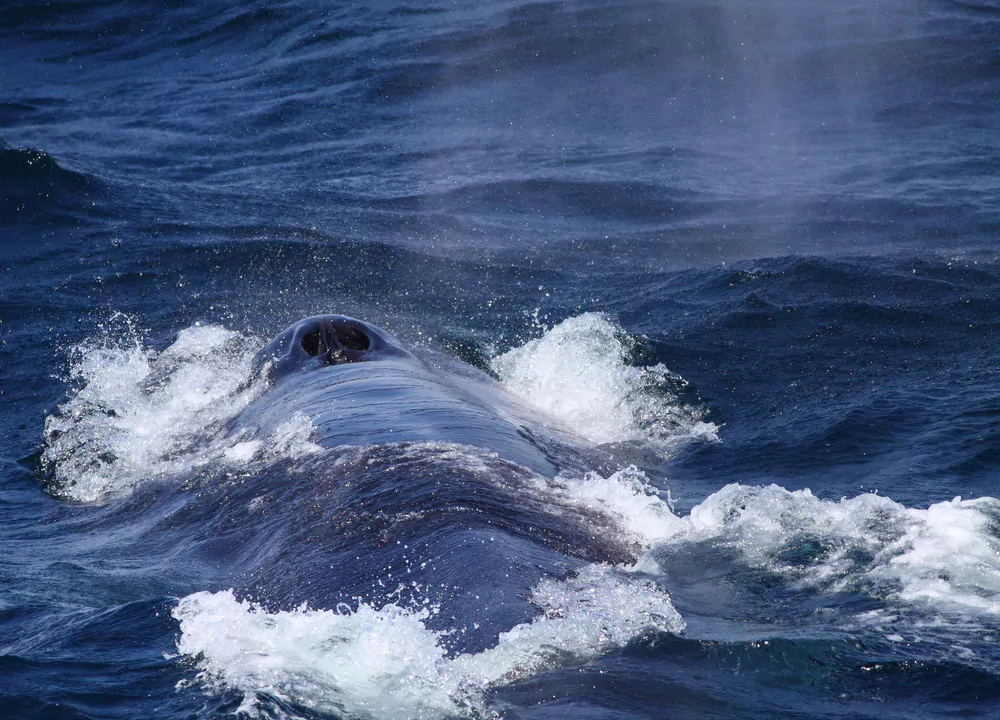
An Insight into the Finnwal: A Giant of the Ocean
Introduction
The Finnwal, the second-largest animal on the planet, has captivated marine biologists and ocean enthusiasts alike. Known scientifically as Balaenoptera physalus, the Finnwal’s sheer size and graceful movements in the water make it a significant subject of study and conservation. With the challenges facing marine life today, understanding the Finnwal’s habitat and behavior is essential for efforts aimed at preserving ocean ecosystems.
Physical Characteristics and Habitat
Finnwals are known for their impressive length, reaching up to 27 metres and weighing as much as 80 tonnes. Their streamlined bodies and long, slender fins allow them to navigate through the ocean efficiently. Found in all oceans except the Arctic, these whales prefer deeper coastal waters and are often spotted in the North Atlantic and North Pacific regions.
Feeding and Behaviour
Primarily feeding on small schooling fish and krill, the Finnwal uses a method known as lunge-feeding, where it engulfs large volumes of water and then filters out its prey using baleen plates. This method is particularly effective in areas rich in food, such as upwellings and marine fronts. Finnwals are known for their solitary behaviour, often found alone or in small groups, although they may occasionally form larger pods during feeding.
Conservation Status
Despite their incredible size and strength, Finnwals face numerous threats. Commercial whaling in the 20th century decimated their populations, and although they are now protected in many regions, they still face risks from ship strikes, entanglement in fishing gear, and climate change affecting their food sources. The International Whaling Commission classifies the Finnwal as ‚vulnerable,‘ highlighting the ongoing need for global conservation efforts.
Conclusion
The future of the Finnwal depends on continued conservation efforts and raising awareness of their plight. As one of the ocean’s most awe-inspiring creatures, understanding the Finnwal’s lifestyles should encourage support for marine protected areas and stricter regulations on shipping and fishing practices. By safeguarding these giants of the ocean, we ensure the health of marine ecosystems for generations to come.