The Airbus A380: A Revolution in Aviation
poellauer-news >> Aviation>> The Airbus A380: A Revolution in Aviation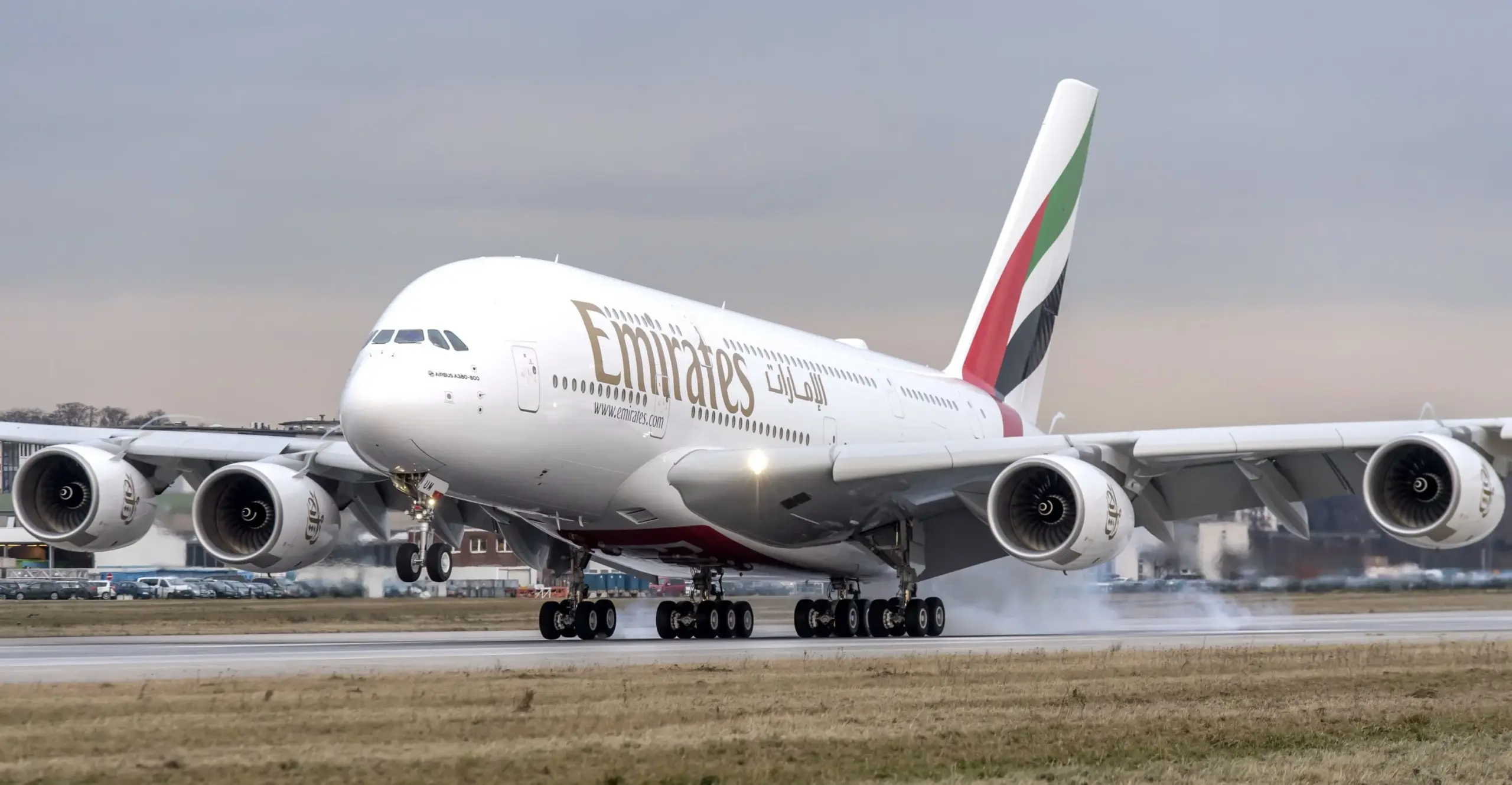
The Airbus A380: A Revolution in Aviation
Introduction
The Airbus A380, the world’s largest passenger aircraft, has been a game-changer in the aviation industry since it first entered service in 2007. With its impressive size and state-of-the-art technology, the A380 provides an unparalleled flying experience for travellers and has reshaped long-haul aviation economics. As airlines look to recover from the COVID-19 pandemic, the future of the A380 remains a topic of discussion among industry stakeholders.
The A380’s Features and Advantages
With a wingspan of 79.7 meters and a length of 72.7 meters, the Airbus A380 can carry over 500 passengers in a typical three-class configuration, with some airlines opting for a maximum capacity exceeding 800 in an all-economy setup. The aircraft boasts two full-length passenger decks, offering spacious cabins, improved noise reduction, and advanced in-flight entertainment systems.
In terms of environmental impact, the A380 was designed to be more fuel-efficient than its predecessors, consuming 2.9 litres of fuel per 100 kilometres per passenger, significantly lower than many other aircraft in the same category. This efficiency has helped airlines to maintain lower operating costs.
Current Status and Future Prospects
As of early 2023, several airlines have resumed or are considering the return of the A380 to their fleets after pandemic-induced retirements. Emirates, the largest operator of the A380, has been at the forefront of this revival. The airline announced plans to bring back its fleet and serve some of the most popular international routes.
However, challenges remain. The aviation industry is undergoing a transformative shift towards sustainability, with many carriers investing in newer, more fuel-efficient models, such as the Airbus A350 and Boeing 787 Dreamliner. As demand for air travel continues to evolve, the A380’s fate may be influenced by changing passenger preferences and environmental regulations.
Conclusion
The Airbus A380 has undoubtedly left an indelible mark on the world of aviation. Its innovative design and luxury features have set a high bar for air travel. While recent challenges have caused some uncertainty regarding its future, the aircraft’s unique value proposition means that it will likely continue to hold a significant place in the hearts of many travellers and the operations of airlines for years to come. As we look ahead, it remains to be seen how the Airbus A380 will adapt in a rapidly changing industry landscape.