The Importance of Diego Garcia: Strategic Military Insights
poellauer-news >> Military Analysis>> The Importance of Diego Garcia: Strategic Military Insights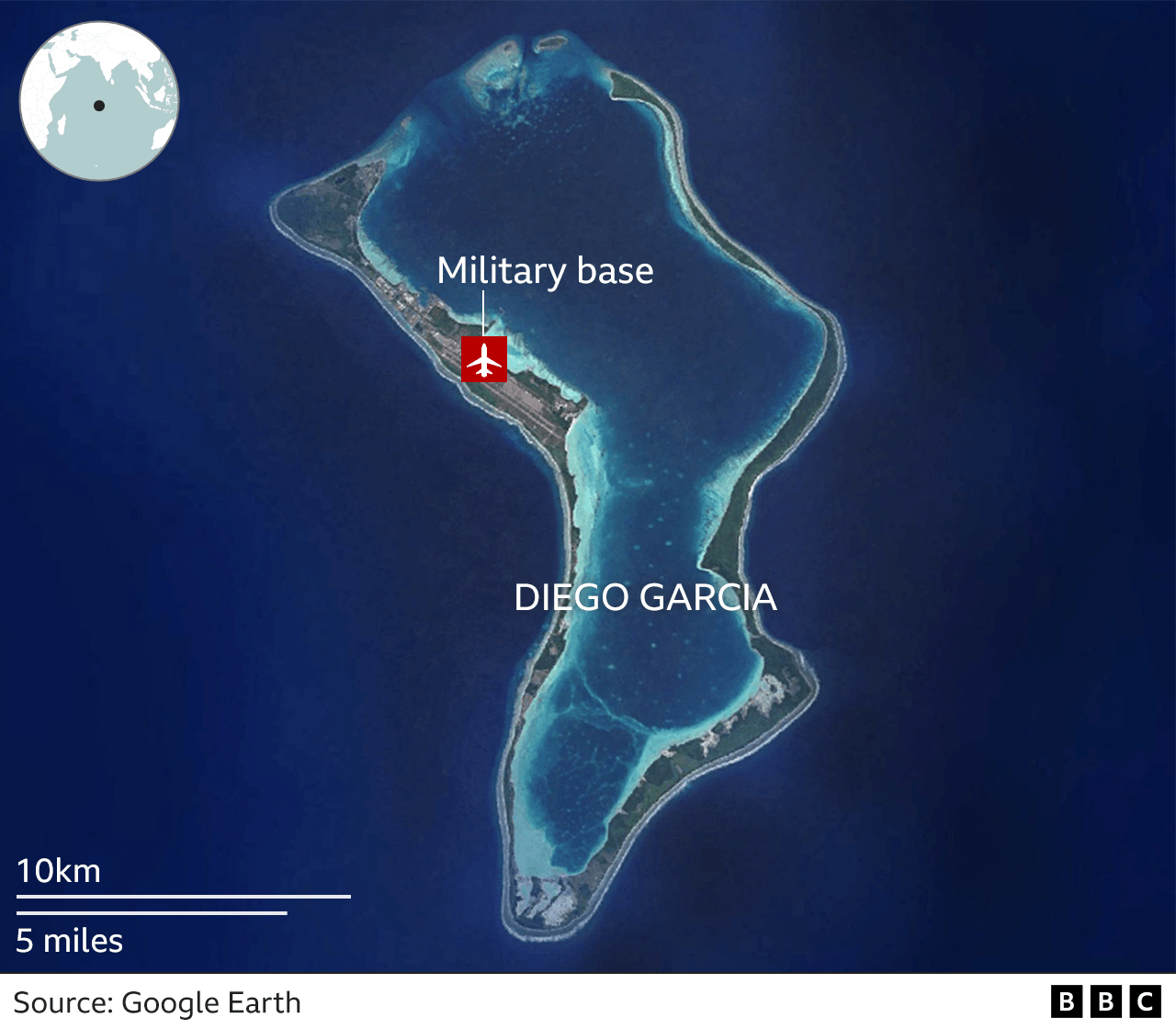
The Importance of Diego Garcia: Strategic Military Insights
Introduction to Diego Garcia
Diego Garcia, a remote atoll located in the Indian Ocean, is a vital military base operated by the United States. It plays a crucial role in global security and military strategy, particularly in the Asia-Pacific region. The base is strategically positioned between Africa and Asia, making it a key asset for military operations and intelligence gathering. Its importance has only grown in recent years as geopolitical tensions in the region have escalated.
Historical Background
In 1966, the UK and US governments signed an agreement to establish the military base on Diego Garcia. This agreement allowed the US to build a naval support facility and an airfield, which were completed in the early 1970s. The establishment of this base marked the beginning of a significant American military presence in the Indian Ocean. Initially used during the Cold War, Diego Garcia has since been central to operations in Afghanistan and Iraq, providing logistical support and serving as a refueling station for military aircraft.
Military Operations and Role
Diego Garcia is home to a US Naval Support Facility and can accommodate a variety of military aircraft, including bombers. It has been instrumental in various military operations, often serving as a launch pad for missions in the Middle East. For example, during Operation Desert Storm, the base was used extensively to support coalition forces. The strategic location enables rapid deployment of forces to hotspots, making it an essential element of America’s military strategy.
Controversies and Challenges
The presence of the US military on Diego Garcia has not been without controversy. The displacement of its original inhabitants, the Chagossians, remains a contentious issue. They were forcibly removed in the 1960s and 1970s to make way for the base. The Chagossian community has fought for their right to return home, leading to significant legal battles and international attention. Recent court decisions have aimed to address these grievances but have faced numerous challenges.
Conclusion
The significance of Diego Garcia as a military base continues to evolve as geopolitical dynamics shift. As tensions rise in regions such as the South China Sea and the Middle East, Diego Garcia’s strategic role will likely remain central to US military operations. Readers should understand that while the base serves critical security interests, it also embodies the complexities of international relations and the human cost associated with military establishments. As global politics continue to change, the future of Diego Garcia will undoubtedly be a focal point in military strategy and international law discussions.