Exploring the Natural Wonders of Namibia
poellauer-news >> Travel>> Exploring the Natural Wonders of Namibia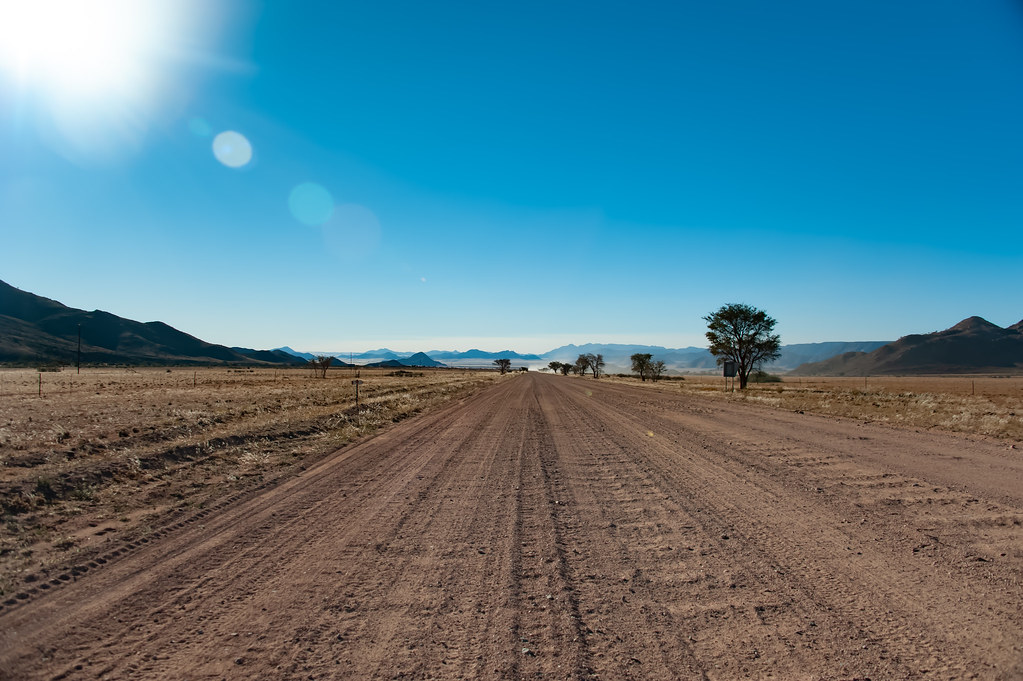
Exploring the Natural Wonders of Namibia
The Allure of Namibia
Namibia, located in southwest Africa, is fast becoming a leading tourist destination, renowned for its breathtaking landscapes, diverse wildlife, and rich cultural heritage. Its vast deserts, particularly the Namib Desert, are home to some of the world’s oldest sand dunes, while Etosha National Park offers unmatched opportunities for wildlife sightings. As global interest in sustainable tourism grows, Namibia’s approach to conservation and community-driven initiatives is highly relevant.
Natural Landscapes and Wildlife
Namibia is characterized by distinctive landscapes such as the majestic Sossusvlei, famous for its striking red and orange dunes, and the rugged Fish River Canyon, a geological marvel that draws hikers and photographers alike. The country also hosts an array of wildlife, including elephants, lions, and rhinos. According to the Namibian Ministry of Environment, Forestry and Tourism, the country is home to the largest free-ranging population of black rhinos. This biodiversity attracts eco-tourists and researchers from around the globe, further contributing to the local economy.
Cultural Significance
In addition to its natural beauty, Namibia’s cultural diversity is a significant draw for tourists. The country is home to various ethnic groups, including the Himba, San, and Damara peoples, each with unique traditions and lifestyles. Visitors have the chance to engage with these communities, learning about their customs, crafts, and ways of life. Cultural tourism is not only vital for preserving these traditions but also provides economic opportunities for locals, fostering a sense of pride and identity.
Challenges and Opportunities
Despite its appeal, Namibia faces challenges like climate change and the impact of tourism on its ecosystems. However, initiatives aimed at sustainable travel are gaining traction. The government, alongside conservation organisations, is actively working to balance economic growth with environmental stewardship. Projects focusing on renewable energy and conservation efforts are paving the way for a more sustainable future.
Conclusion: The Future of Namibia
As Namibia continues to develop as a prime travel destination, its unique blend of natural beauty, wildlife conservation, and rich cultural heritage offers valuable lessons in sustainable tourism. For potential visitors, Namibia represents not just a trip, but an experience that engages with the interconnectedness of culture and nature. As the country navigates its challenges, its commitment to preserving its stunning landscapes and promoting local culture will likely solidify its status on the world tourism map for years to come.