Recent Developments in Angola: Economy and Politics
poellauer-news >> Politics>> Recent Developments in Angola: Economy and Politics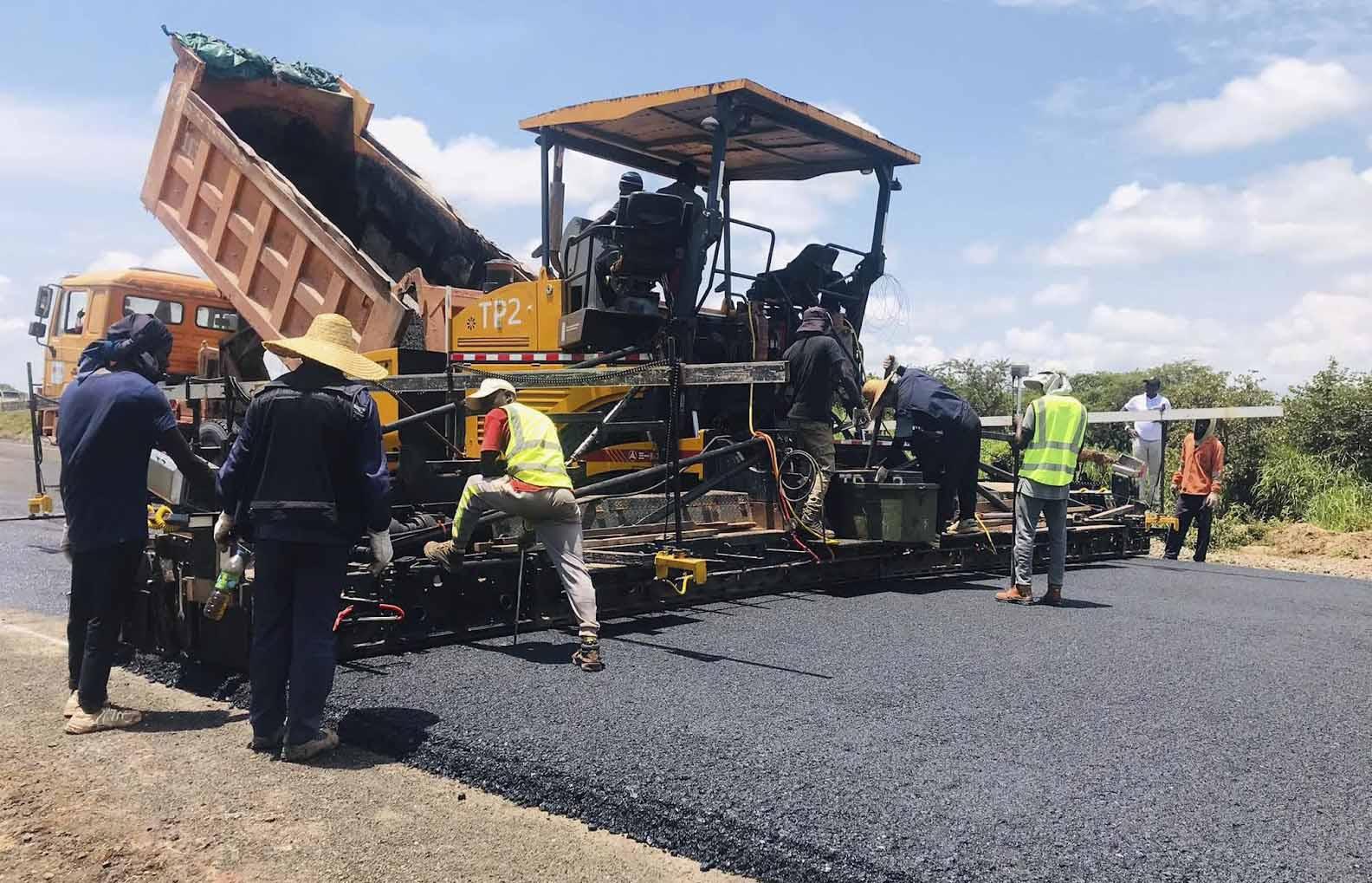
Recent Developments in Angola: Economy and Politics
Introduction: The Importance of Angola
Angola, a country located in Southern Africa, has seen significant changes and developments in its economy and political landscape. As one of the largest oil producers in Africa, Angola’s economy is heavily dependent on oil exports, which play a crucial role in its growth and stability. Understanding current events in Angola is vital not only for local inhabitants but also for investors and international entities looking to engage with the country.
Economic Updates
As of 2023, Angola’s government has implemented several reforms aimed at diversifying its economy beyond oil dependency. Recent reports indicate that non-oil sectors, such as agriculture and tourism, are beginning to show promising growth. For instance, the agricultural sector has received attention through various government initiatives, targeting food security and increasing exports of cash crops like coffee and cotton.
Furthermore, the Angolan government has secured loans from international financial institutions to invest in infrastructure projects that are expected to further improve economic conditions. Key projects include improvements to the transportation network and expansion of energy production, which are crucial for stimulating economic activities.
Political Climate
The political landscape in Angola has also been evolving. Since the election of President João Lourenço in 2017, there have been ongoing efforts to tackle corruption, which has plagued the country’s governance for decades. Recent anti-corruption campaigns have targeted prominent figures within the government, reflecting a commitment to transparency and accountability.
Despite these efforts, challenges remain. National elections are scheduled for 2027, and the current environment suggests a heated political atmosphere, with opposition parties gaining momentum. The outcomes of these elections could significantly impact Angola’s trajectory, affecting both the economy and social stability.
Conclusion: Looking Forward
The developments in Angola represent a critical juncture for the nation’s future. As it seeks to diversify its economy and strengthen political institutions, the international community is keenly observing the outcomes of these changes. For investors, the evolving landscape presents both opportunities and risks, necessitating thorough research and due diligence.
In summary, the ongoing transitions in Angola highlight a nation at the crossroads of economic reform and political renewal. As the country continues to adapt to global economic conditions, it remains relevant for stakeholders interested in African markets.