Exploring the Wonders of Krüger Nationalpark
poellauer-news >> Travel>> Exploring the Wonders of Krüger Nationalpark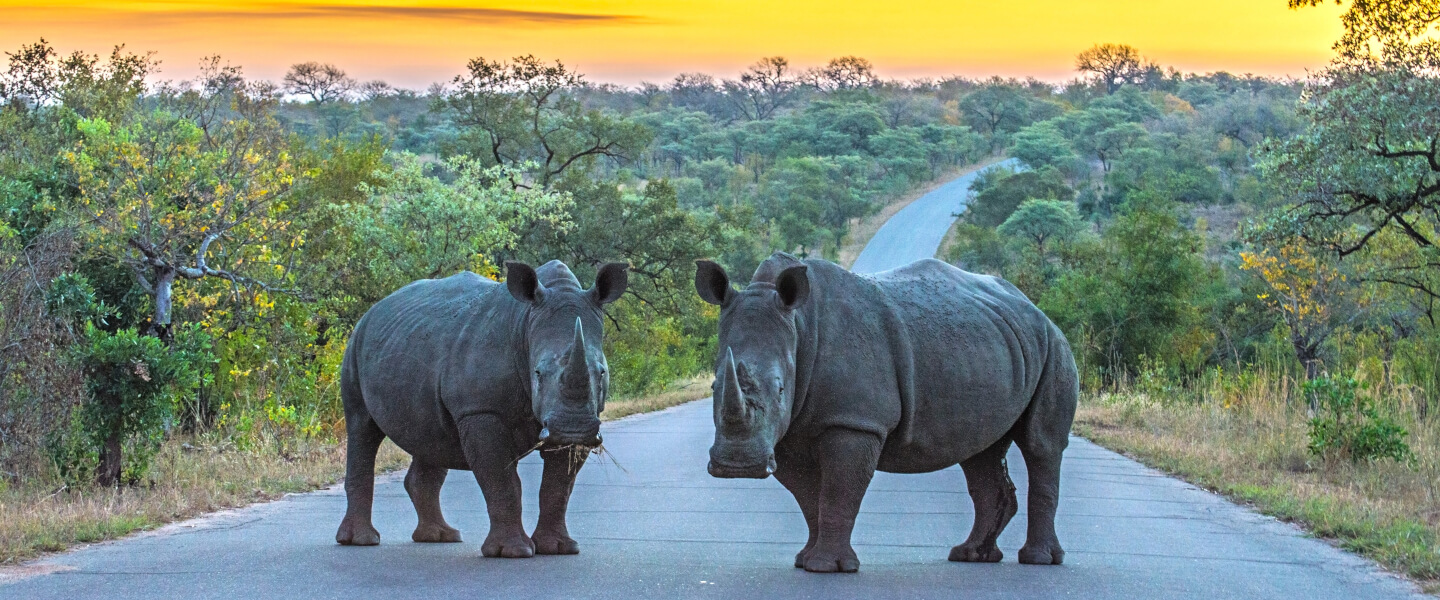
Exploring the Wonders of Krüger Nationalpark
Introduction
Krüger Nationalpark is a monumental wildlife conservation area located in northeastern South Africa. Covering nearly 2 million hectares, it is one of Africa’s largest game reserves and a popular destination for nature lovers and wildlife enthusiasts. The park’s importance lies not only in its rich biodiversity but also in its role in conservation and tourism, making it vital to both the local economy and global wildlife preservation efforts.
Wildlife and Biodiversity
The park is home to an astounding variety of wildlife, including the Big Five: lions, leopards, elephants, buffalos, and rhinoceroses. Additionally, the park boasts more than 500 species of birds, 147 species of mammals, and numerous reptiles and plant species. Recent reports from the park’s management have highlighted successful conservation initiatives aimed at protecting endangered species, especially rhinos, from poaching threats.
Recent Events and Conservation Efforts
As of 2023, the Krüger Nationalpark has been actively involved in combatting wildlife crime and promoting sustainable tourism. In light of increased poaching activities, park authorities have implemented enhanced security measures, including aerial surveillance and the deployment of anti-poaching units. Figures from the South African National Parks indicate a reduction in poaching incidents by 20% over the last year, a testament to the effectiveness of these initiatives.
The park management also continues to engage local communities in conservation efforts, offering training and employment opportunities linked to wildlife conservation and tourism. These programs aim to foster a sense of stewardship among local populations, ensuring the park’s future viability.
Visitor Experience
For those planning a visit, the Krüger Nationalpark offers a variety of experiences, including self-drive safaris, guided game drives, and walking safaris. Lodging options range from luxury lodges to budget-friendly camps. The best time to visit is during the dry winter months (May to September) when wildlife spotting is generally more successful due to reduced foliage and animals gathering around water sources.
Conclusion
Krüger Nationalpark is not only a top destination for wildlife tourism but also a crucial player in the conservation of Africa’s natural heritage. With ongoing efforts to protect its rich biodiversity, the park stands as a symbol of hope amidst the challenges faced by wildlife across the continent. As global awareness of environmental issues increases, Krüger Nationalpark remains a vital example of how dedicated conservation work can yield positive results, ensuring future generations can enjoy its wonders.