Exploring the Natural Beauty of Sächsische Schweiz
poellauer-news >> Travel>> Exploring the Natural Beauty of Sächsische Schweiz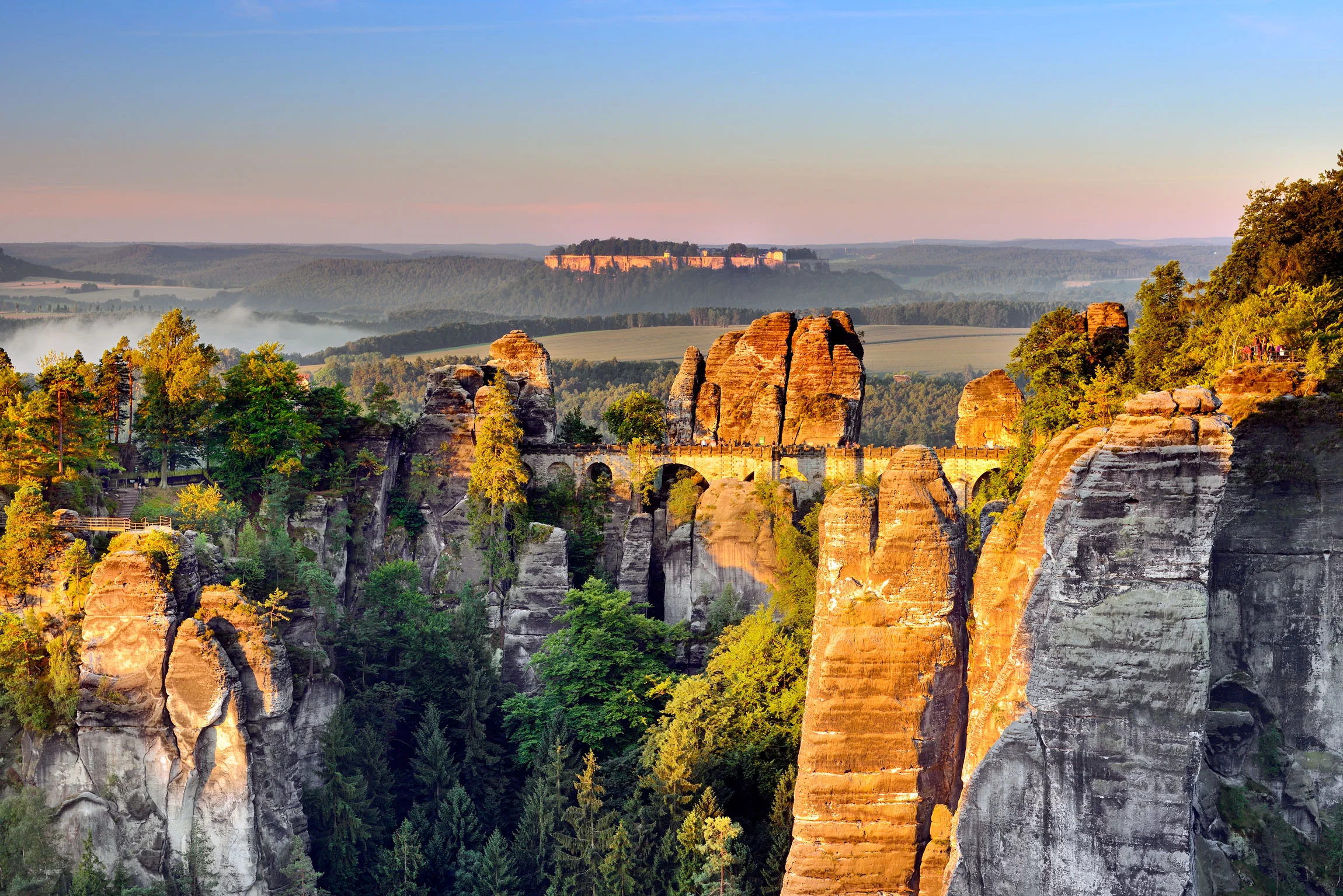
Exploring the Natural Beauty of Sächsische Schweiz
Introduction
Sächsische Schweiz, or Saxon Switzerland, is a national park located in the eastern part of Germany, just a stone’s throw from the Czech border. Known for its dramatic sandstone formations, lush forests, and picturesque valleys, Sächsische Schweiz holds significant importance for both nature lovers and adventure seekers alike. The area has gained popularity for its breathtaking landscapes, stunning hiking trails, and rock-climbing opportunities, making it an ideal destination for tourists seeking an escape into nature.
Main Attractions
The highlight of Sächsische Schweiz is its breathtaking rock formations, such as the iconic Bastei Bridge, which offers panoramic views over the Elbe River and surrounding landscape. This 19th-century stone bridge connects several towering sandstone pillars and is a favorite spot for photography and sightseeing.
Another remarkable feature of the park is the Affenstein and Pfaffenstein mountains, offering challenging routes for rock climbers and stunning vistas for hikers. In recent months, the park has reported an increase in visitors, particularly during the spring and summer seasons, as people seek outdoor recreational activities in the wake of the pandemic.
Sächsische Schweiz became a national park in 1990, and since then, efforts have increased to protect its unique environment. The park spans over 93 square kilometers and is home to a diverse range of flora and fauna. Nature enthusiasts will be delighted to observe rare species, including the peregrine falcon and various endemic plants. In addition, the park features a network of marked trails, accommodating walkers of all levels.
Significance for Local Communities
The tourism influx has had a positive impact on the local economy. Small businesses, including hotels, restaurants, and shops, benefit from the steady flow of visitors. As a result, local authorities are focusing on sustainable tourism practices to ensure that the natural habitat remains protected for generations to come. Recent initiatives involve educating visitors on preserving the environment and encouraging them to follow designated paths and guidelines.
Conclusion
Sächsische Schweiz offers a captivating combination of natural beauty, adventure, and cultural significance. With ongoing efforts to promote sustainability in tourism, the park is poised to remain a cherished destination for both locals and international visitors. As Germany continues to emerge from the pandemic, it is anticipated that Sächsische Schweiz will see an even greater influx of tourists looking to immerse themselves in its stunning landscapes and outdoor activities. This remarkable corner of Germany stands as a testament to the country’s commitment to preserving its natural heritage while providing unforgettable experiences for those who visit.