Understanding the DAX: Performance and Current Trends
poellauer-news >> Finance>> Understanding the DAX: Performance and Current Trends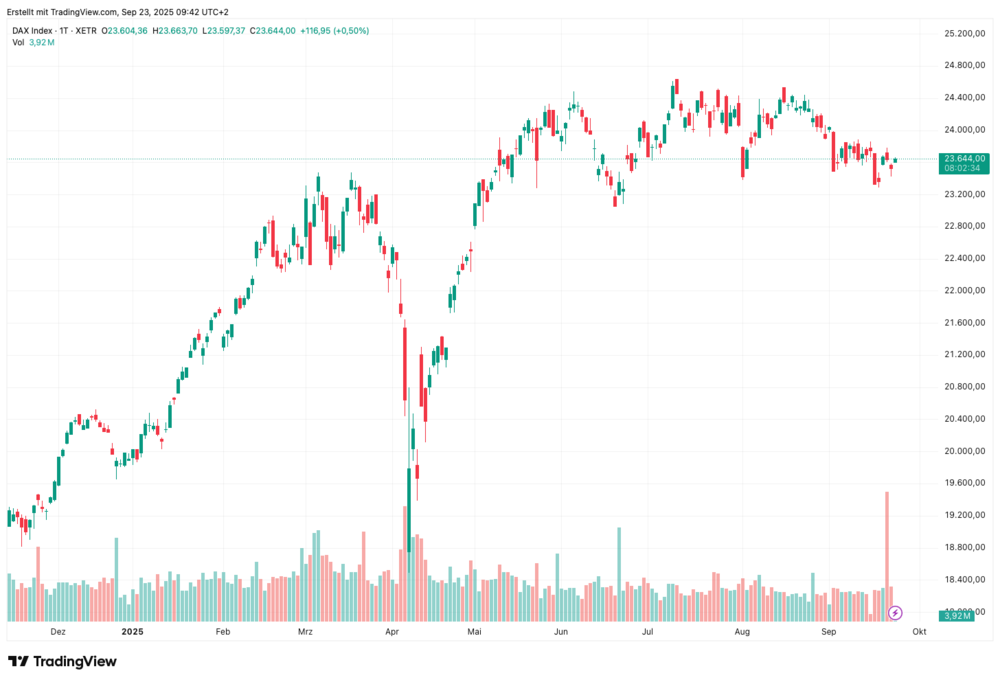
Understanding the DAX: Performance and Current Trends
Introduction
The DAX index, short for Deutscher Aktienindex, is a prominent stock market index representing 40 of the largest and most liquid companies listed on the Frankfurt Stock Exchange in Germany. This index is crucial for investors, analysts, and economists as it serves as a barometer for the German economy and provides valuable insights into market trends. In recent times, the DAX has garnered attention due to fluctuations in the global economy, rising energy costs, and ongoing geopolitical tensions.
Current Performance of the DAX
As of October 2023, the DAX has experienced notable volatility. After recovering from a significant dip earlier in the year, the index has recently climbed back to levels not seen since mid-2022. The DAX closed at approximately 15,500 points, showing an increase of over 10% year-to-date. Analysts attribute this upward trend to strong earnings reports from major companies, including BMW, Siemens, and SAP, which have outperformed market expectations.
Key Factors Influencing the DAX
Several factors are currently influencing the DAX’s performance. Firstly, global supply chain issues and inflation rates continue to impact investor sentiment. However, the recent easing of bottlenecks and stabilisation in supply lines has positively affected stock prices, leading to greater investor confidence.
Secondly, the European Central Bank’s monetary policy plays a significant role in shaping market behaviour. With indications of potential interest rate hikes in response to inflation, investors are alert to how these changes might affect borrowing costs and, consequently, corporate earnings.
Market Trends and Investor Sentiment
Investor sentiment remains mixed, with some analysts optimistic about the DAX’s potential for further gains, while others warn of potential corrections. The tech sector, which has been a significant driver of the DAX’s growth in recent months, faces pressures from global market dynamics, particularly concerning technology regulations and the evolving landscape of AI and digital innovation.
Conclusion
In summary, the DAX continues to be a focal point for international investors keen on capitalising on Germany’s economic performance. As we move into the end of 2023, the index’s trends will be closely monitored, especially in light of upcoming earnings reports and geopolitical developments. Understanding the movements and underlying factors affecting the DAX is crucial for making informed investment decisions in this fast-paced market environment.