Exploring Armin Laschet’s Political Career and Impact
poellauer-news >> Politics>> Exploring Armin Laschet’s Political Career and Impact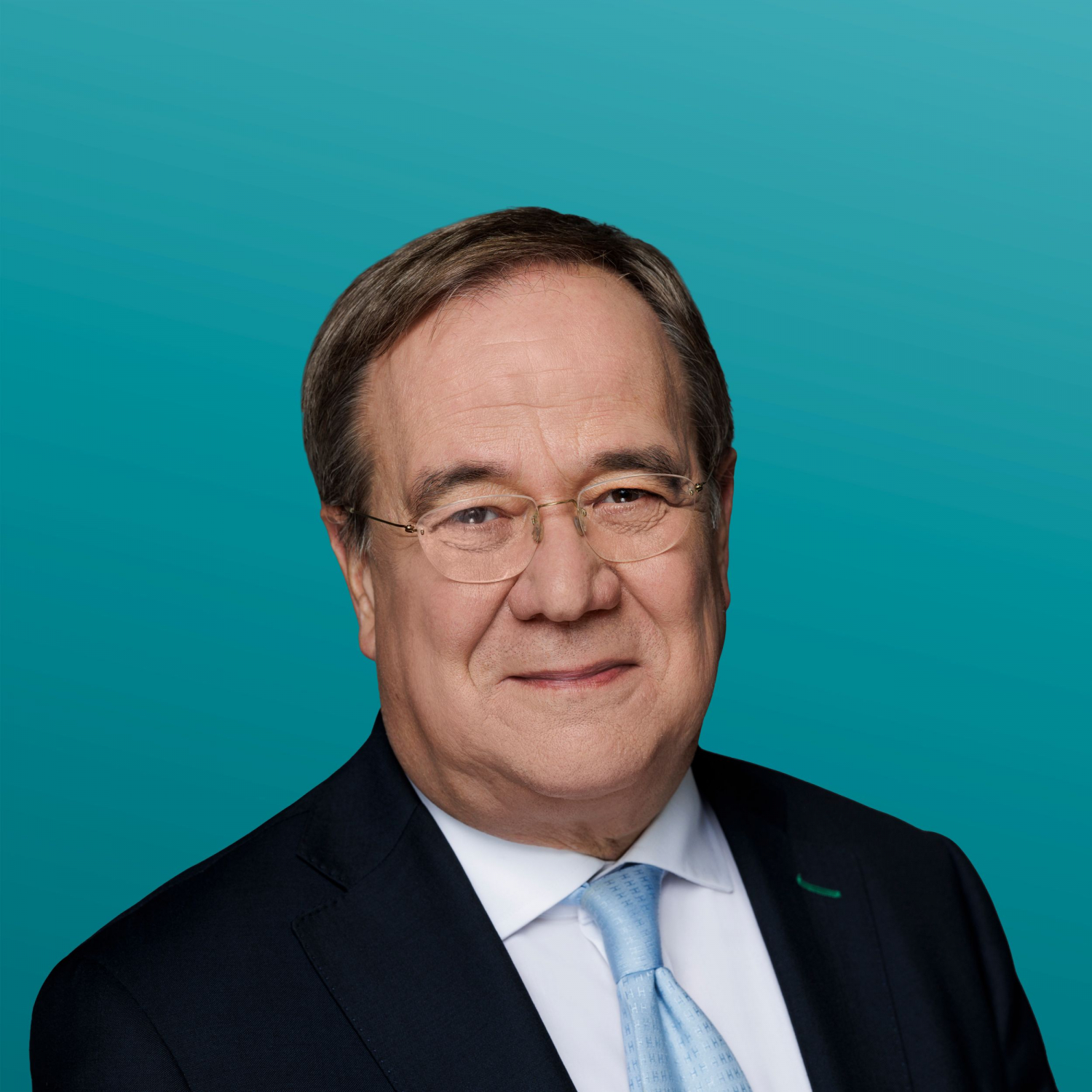
Exploring Armin Laschet’s Political Career and Impact
Introduction
Armin Laschet, a prominent figure in German politics and member of the Christian Democratic Union (CDU), has garnered significant attention in recent years. As the former Minister-President of North Rhine-Westphalia and the CDU’s candidate for Chancellor in the 2021 federal elections, his political decisions and leadership style have shaped not only his party’s direction but also influenced national policies. Understanding Laschet’s journey is crucial for grasping the shifting dynamics in Germany’s political landscape.
Career Highlights
Laschet was born on February 18, 1961, in Aachen, Germany. He embarked on his political career in local politics before rising to national prominence. In 2017, he became the Minister-President of North Rhine-Westphalia, a role that further established his political credentials. Under his leadership, the region focused on economic recovery, social cohesion, and sustainable development, assisting in the rebuilding of the economy post-COVID-19.
In 2021, Laschet was appointed Chancellor candidate for the CDU, succeeding Angela Merkel, where he faced the challenging task of uniting a party fractured between traditional conservatism and emerging progressive trends. Despite being viewed as the frontrunner, Laschet faced criticism for his handling of the election campaign, particularly regarding climate change and the party’s direction.
Recent Developments
Following the 2021 federal elections, Laschet’s CDU saw a significant decline in voter support, leading to both internal and external calls for new leadership. His supporters argue that the challenges he faced were exacerbated by the COVID-19 pandemic and Merkel’s long-standing influence on the party. Consequently, in early 2022, Laschet announced his intention to step down as party leader, paving the way for a transition period within the CDU as it seeks to redefine its identity in the post-Merkel era.
Conclusions and Future Outlook
Armin Laschet’s political journey highlights the challenges of leadership in times of change. His tenure has had its ups and downs, reflecting the complexities of a changing political environment in Germany. As he steps back from leadership roles, his experiences will be significant for future CDU leaders who will need to address the evolving needs of German constituents amid global challenges like climate change, economic recovery, and social justice.
Laschet’s legacy will likely influence how the CDU navigates its future path, balancing traditional values with modern expectations. Observers will be watching closely to see how the party reinvents itself and what role Laschet will play in the broader political discourse in Germany.