Sedat Peker: The Influential and Controversial Crime Figure
poellauer-news >> Crime>> Sedat Peker: The Influential and Controversial Crime Figure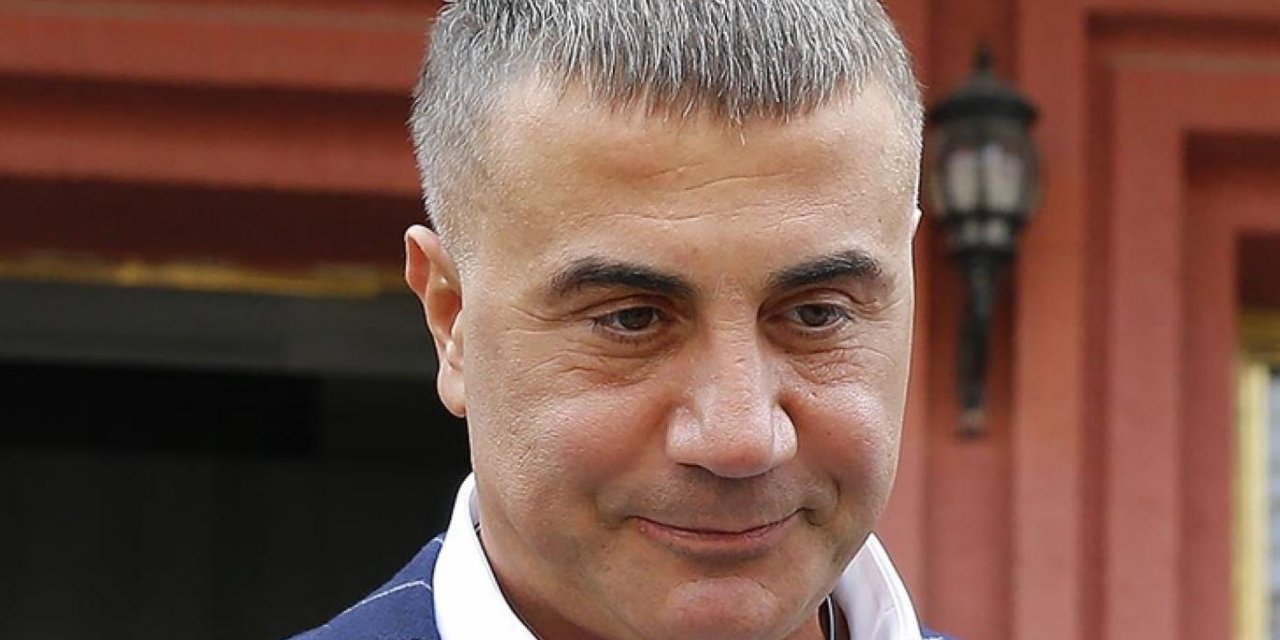
Sedat Peker: The Influential and Controversial Crime Figure
Introduction to Sedat Peker
Sedat Peker is a notorious figure in Turkey, recognized both for his criminal enterprise and his political influence. As someone deeply intertwined with the world of organized crime, his activities have sparked national and international debate, drawing attention to the intersection of crime, politics, and corruption in Turkey.
The Rise of Sedat Peker
Born in 1971 in Sakarya, Turkey, Peker began his career as a local gang leader and quickly ascended within the ranks of organized crime. His operations grew larger and more sophisticated throughout the 1990s and 2000s, leading to significant notoriety and even political connections. Peker has been involved in a series of legal issues, including charges of extortion, organized crime, and violence. However, it is his recent revelations in 2021 that thrust him into the political spotlight.
Recent Events and Controversies
In May 2021, Peker began posting a series of videos on social media platforms that went viral, making explosive claims about various Turkish officials‘ involvement in corruption, organized crime, and violent tactics. These allegations have put significant pressure on the ruling government, particularly against President Recep Tayyip Erdogan’s administration, as many of Peker’s claims surround high-ranking political figures. The implications of his testimonies have raised questions about the rule of law in Turkey and the relationships between crime syndicates and government officials.
Peker’s videos, where he detailed connections between government officials and organized crime, have turned him into a controversial whistleblower figure—dividing public opinion between those who see him as a hero exposing corruption and those who view him as a self-serving criminal.
Significance for Turkey and Beyond
The implications of Peker’s revelations extend beyond just Turkey’s political landscape; they could influence international relations and how countries perceive governance in Turkey. The legal and political ramifications could provoke a shift in how law enforcement tackles organized crime and demands greater transparency against governmental corruption. Furthermore, the situation highlights the ongoing Central Asian struggle between democracy and corruption, signaling to the world the delicate balance that exists within such governments.
Conclusion
As Sedat Peker continues to make headlines and influence discourse in Turkey, his story raises profound questions about justice, political accountability, and the safety of whistleblowers within oppressive regimes. Observers will be keenly watching the unfolding events, as they might significantly shape Turkey’s socio-political landscape in the coming years.