Discovering Allianz Arena München: The Heart of Bavarian Football
poellauer-news >> Sports>> Discovering Allianz Arena München: The Heart of Bavarian Football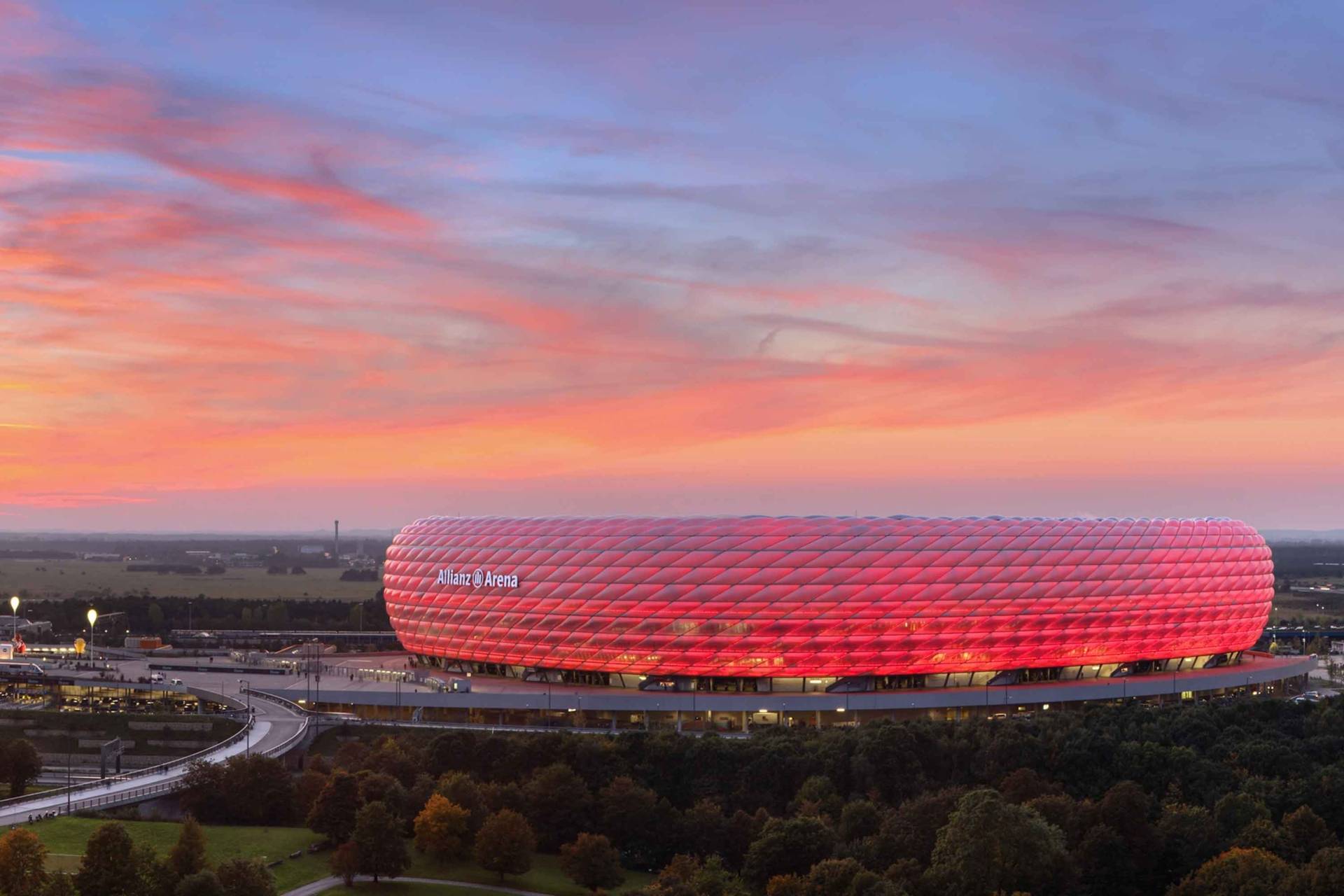
Discovering Allianz Arena München: The Heart of Bavarian Football
Introduction
Allianz Arena München is not just a football stadium; it is a symbol of Bavarian pride and a modern architectural marvel. Opened in 2005, this iconic venue is primarily used for football matches and serves as the home ground for FC Bayern Munich and TSV 1860 Munich. Its unique translucent facade, which can change colors, reflects the vibrant spirit of the city and its teams. Given the stadium’s prominence in both local and international contexts, it continuously shapes the sporting landscape and boosts Munich’s economy through tourism and events.
Architectural Marvel
Designed by the renowned architectural firm Herzog & de Meuron, the Allianz Arena features a distinctive outer layer made from inflated ETFE plastic elements, providing flexibility in color display. This advanced design allows the stadium to shine in red for Bayern Munich matches or blue for TSV 1860, creating a captivating visual experience. The arena can hold up to 75,000 spectators, making it one of the largest stadiums in Europe.
Significant Events
Throughout its history, Allianz Arena has hosted numerous high-profile matches, including the UEFA Champions League Final in 2012 and key fixtures during the 2006 FIFA World Cup. The stadium’s impeccable facilities and forward-thinking design contribute to an unparalleled matchday experience for fans. In addition to football, the venue has also hosted concerts for global artists, including U2 and Rihanna, further solidifying its status as a multi-purpose event space.
Tourism and Economic Impact
The presence of Allianz Arena significantly impacts Munich’s economy. It’s estimated that match days can draw significant crowds, leading to increased activity in local hotels, restaurants, and shops. The stadium also offers guided tours, attracting thousands of visitors annually who wish to learn about its history and architecture. As the demand for sporting and cultural events continues to rise, the Allianz Arena remains pivotal in Munich’s tourism strategy.
Conclusion
Allianz Arena München stands as more than just a stadium; it is a beacon of culture, sport, and innovation in Germany. As it continues to host both sporting events and cultural gatherings, the arena’s influence on the local community and economy is undeniable. Future developments might include enhanced technologies and further integration into Munich’s urban landscape, as the city continues to embrace its world-class status as a global sports capital.