Understanding Hiroshima: A Legacy of Peace and Reflection
poellauer-news >> History>> Understanding Hiroshima: A Legacy of Peace and Reflection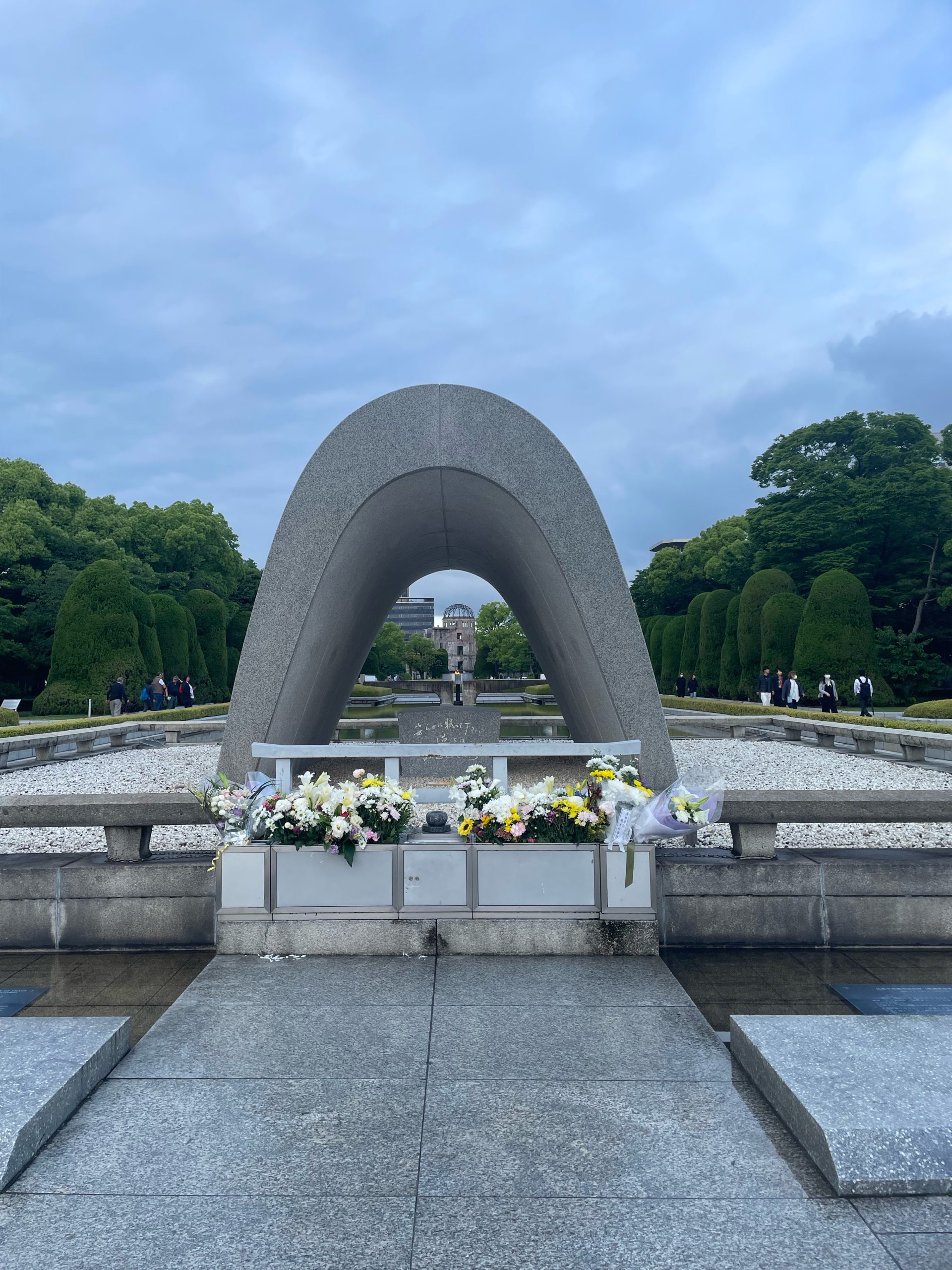
Understanding Hiroshima: A Legacy of Peace and Reflection
Introduction
Hiroshima, a city in Japan, holds a profound significance in world history due to the events of August 6, 1945, when it became the first city to be targeted with an atomic bomb during World War II. The devastation caused not only led to the end of the war but also sparked a global conversation about nuclear weapons, peace, and the responsibility of nations. Today, Hiroshima serves as a symbol of resilience and a powerful reminder of the consequences of war, making it a topic of ongoing relevance in discussions about international relations and peace.
The Events of August 6, 1945
The attack on Hiroshima was part of a military strategy aimed at forcing Japan’s surrender. At 8:15 am, an atomic bomb named ‚Little Boy‘ was dropped from the Enola Gay, a B-29 bomber. The explosion instantly killed an estimated 140,000 people, with many more suffering from severe injuries and radiation exposure. The city’s infrastructure was obliterated, and very few buildings remained standing. In the months and years that followed, the horrific impact of the bomb led to widespread discussions about the ethical implications of nuclear warfare.
Present-Day Hiroshima
Today, Hiroshima has transformed from a city of destruction into a beacon of peace. The Hiroshima Peace Memorial Park was established to honour the victims of the bombing and to promote the message of nuclear disarmament. In addition, the Hiroshima Peace Memorial Museum offers educational exhibits detailing the events of 1945 and the ongoing consequences of the bomb. As various nations continue to grapple with nuclear arsenals, Hiroshima’s story underscores the importance of dialogue and peace initiatives.
Global Impact and Future Prospects
In the aftermath of the bombing, Hiroshima’s experience became a rallying point for peace movements worldwide. Numerous organizations advocating for nuclear disarmament have drawn inspiration from Hiroshima’s legacy. The United Nations has also worked towards fostering peace through initiatives that encourage disarmament and conflict resolution. Moving forward, the lessons learned from Hiroshima serve as a vital reminder of the importance of peaceful coexistence and the need for global cooperation to prevent similar tragedies.
Conclusion
The story of Hiroshima is not just about the past; it is a call to action for the present and future generations to strive for a world free from the threats of nuclear warfare. Understanding Hiroshima is essential in appreciating the perennial struggle for peace and the collective responsibility of humanity to prevent history from repeating itself.