The Significance of Türk Bayrağı in Turkish Culture
poellauer-news >> Culture>> The Significance of Türk Bayrağı in Turkish Culture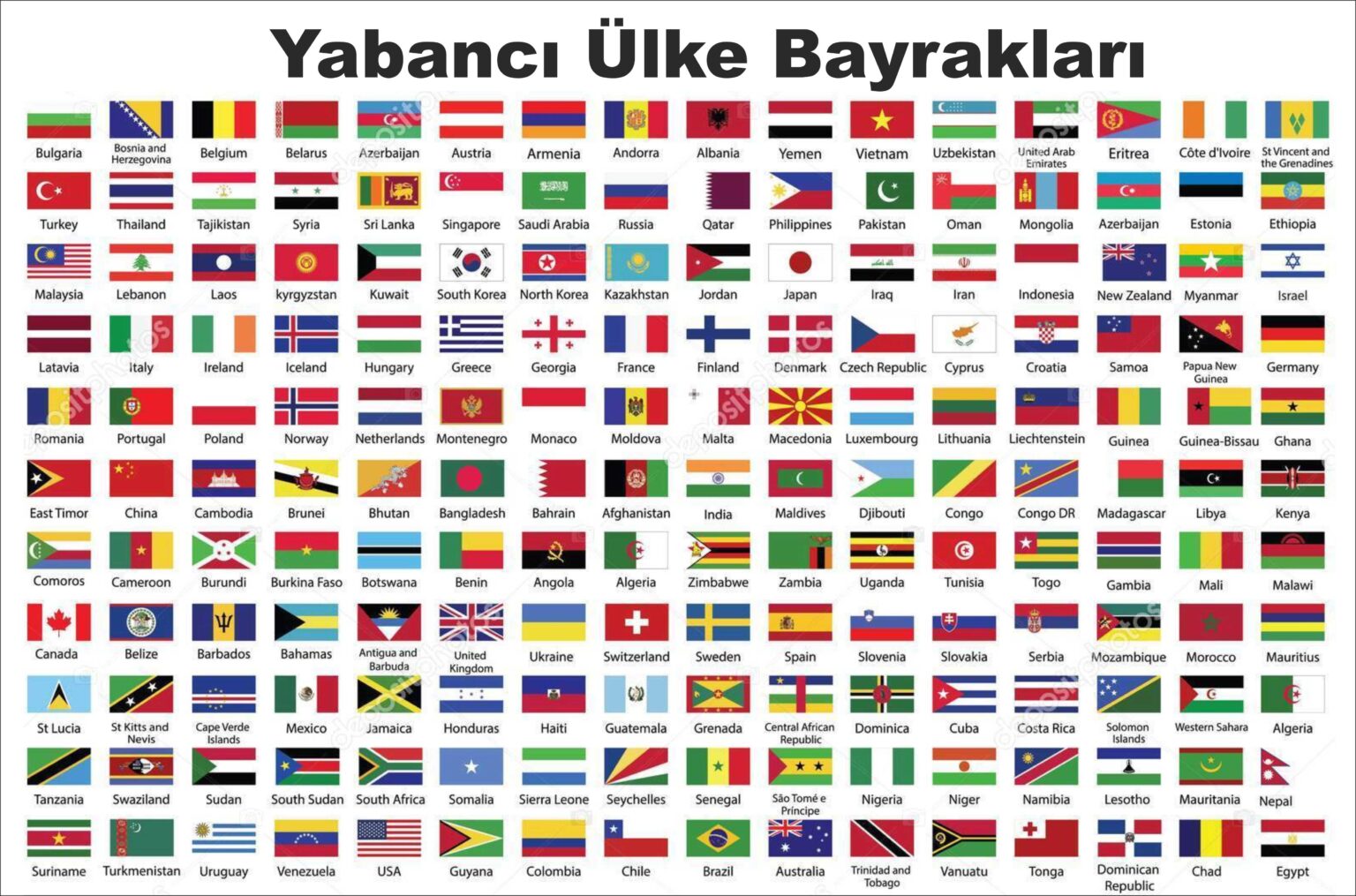
The Significance of Türk Bayrağı in Turkish Culture
Introduction
The Türk Bayrağı, or Turkish flag, holds significant importance in Turkey as a core element of national identity and pride. This vibrant red flag, adorned with a white star and crescent, represents the rich cultural heritage and history of the Turkish people. Understanding its origins and relevance today can enhance appreciation for this national symbol.
Historical Background
The origins of the Türk Bayrağı date back to the late Middle Ages, with the design believed to be inspired by heraldic symbols used in various empires, including the Seljuks and the Ottomans. The red colour is said to signify bravery and sacrifice, while the star and crescent are often linked to Islam, the predominant religion in Turkey. The flag was officially adopted on May 29, 1936, solidifying its role as a national emblem.
Symbolism and Meaning
The Türk Bayrağı encompasses profound symbolism for the Turkish nation. The red colour is emblematic of bloodshed in battles for independence and liberty, resonating deeply with the Turkish War of Independence fought between 1919 and 1923. The white star and crescent are viewed as representations of light, goodness, and peace. Thus, the flag serves not only as a national symbol but also as a reminder of the sacrifices made for the country’s sovereignty.
Cultural Significance and Global Recognition
The Türk Bayrağı is displayed prominently in various national events, celebrations, and official ceremonies, serving as an emblem of unity and national pride. Each year, national days like the Republic Day on October 29 witnessing large displays of the flag, celebrating Turkish culture and history. Beyond national borders, the Türk Bayrağı is recognized worldwide, often carried by diaspora communities to express their heritage and connection to Turkey.
Conclusion
In summary, the Türk Bayrağı is more than just a piece of cloth; it embodies the spirit, history, and aspirations of the Turkish people. As an enduring symbol of the nation, it fosters unity among citizens and serves as a reminder of their rich past and bright future. The flag’s continued prominence in both domestic and global contexts illustrates its relevance, making it a vital part of Turkey’s identity.