The Enduring Legacy of Sparta in Ancient History
poellauer-news >> History>> The Enduring Legacy of Sparta in Ancient History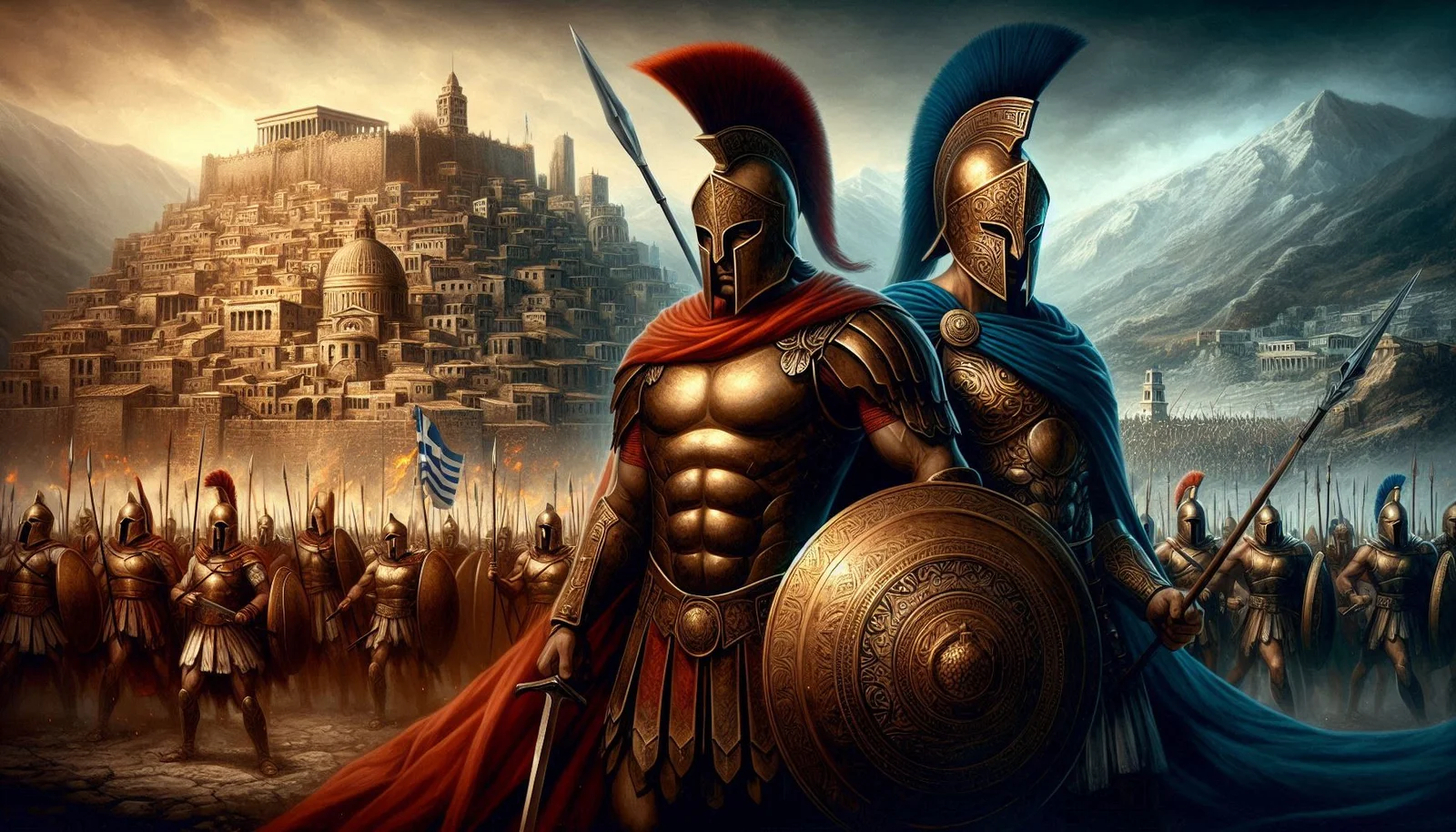
The Enduring Legacy of Sparta in Ancient History
Introduction
Sparta, an ancient city-state located in the Peloponnesus region of Greece, is often synonymous with military prowess and rigorous discipline. Known for its unique social system and austere lifestyle, Sparta played a crucial role in the history of ancient Greece. The significance of Sparta extends beyond its military accomplishments, as its social structure and governance have influenced numerous civilizations over the centuries.
Historical Background
Founded in the 10th century BC, Sparta was unique among Greek city-states. It had a dual monarchy and was governed by a Council of Elders alongside an assembly. The Spartan society was divided into three main classes: the ruling Spartiates, the semi-free Perioikoi, and the exploited Helots. The Helots, primarily agricultural workers, were subjected to severe oppression, allowing the Spartiates to focus on military training and governance.
Military Dominance
Sparta’s military dominance was established during the Greco-Persian Wars. The famous Battle of Thermopylae in 480 BC highlighted the Spartans‘ bravery and tactical skills, as King Leonidas and his 300 soldiers made a legendary stand against the vast Persian army. The valor displayed at Thermopylae has been celebrated for centuries and remains a symbol of courage against overwhelming odds.
Social Structure and Education
Spartan culture was characterized by its austere and disciplined lifestyle. From a young age, boys entered the Agoge, a rigorous training program that emphasized physical fitness, endurance, and combat skills. The education system mandated that boys live in communal barracks, fostering unity and loyalty to the state. Girls, too, received education focused on physical fitness, preparing them for motherhood and maintaining strong Spartan warriors.
The Decline of Sparta
Despite its fierce reputation and military strength, Sparta began to decline after the 4th century BC, particularly after its defeat at the Battle of Leuctra in 371 BC by Thebes. The loss diminished Sparta’s military supremacy and led to a gradual loss of influence in the ancient Greek world.
Conclusion
The legacy of Sparta continues to captivate historians and scholars. Its unique social system, unwavering militaristic values, and the cultural ethos of ‚Spartan bravery‘ have persisted through literature and modern military doctrines. As we reflect on Sparta’s role in shaping Western civilization, it becomes evident that the ideals of discipline, resilience, and governance continue to resonate in various aspects of contemporary society.