The Kurden: A People in Search of Recognition
poellauer-news >> Politics>> The Kurden: A People in Search of Recognition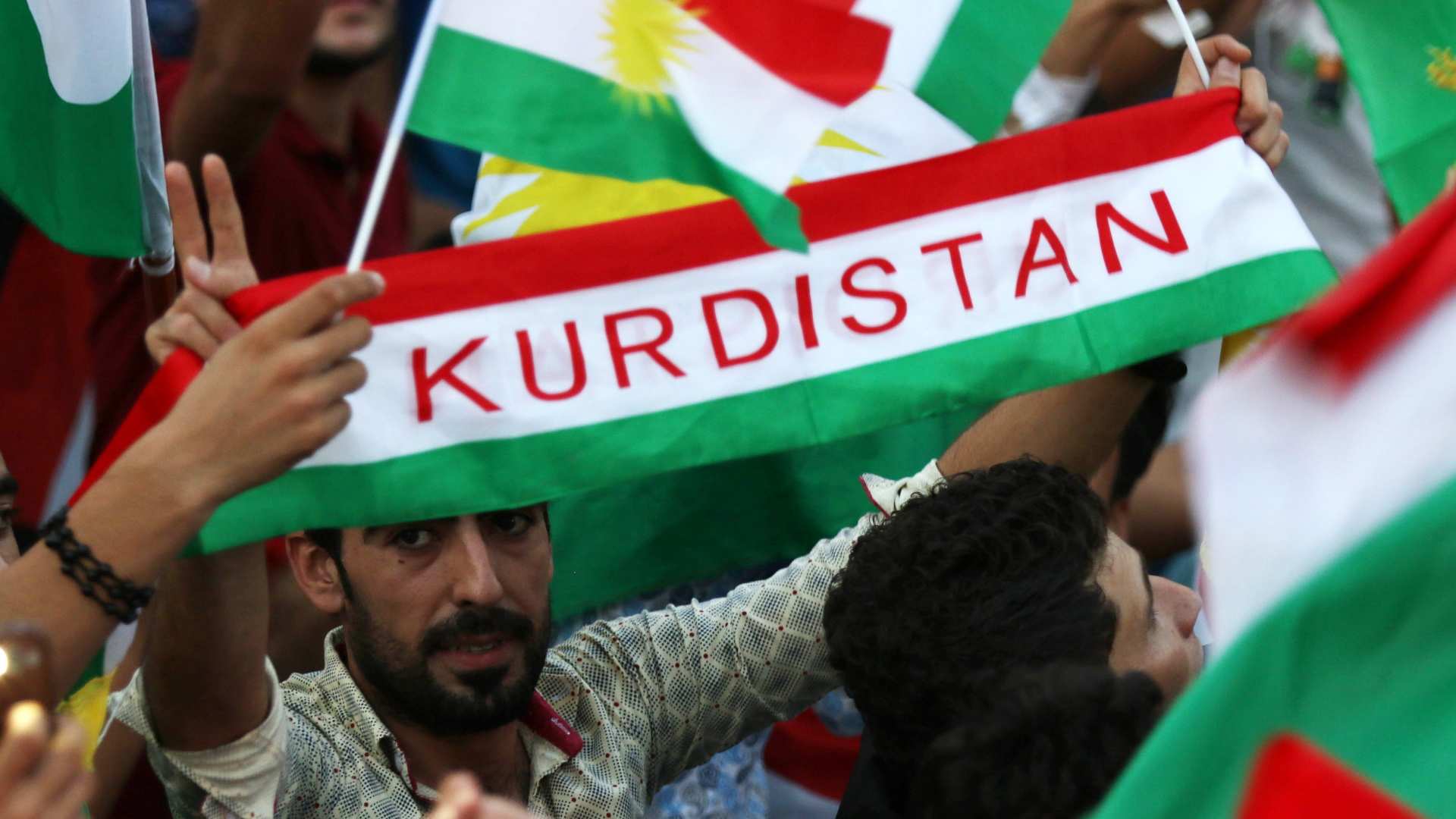
The Kurden: A People in Search of Recognition
Introduction
The Kurden people, spread across several countries in the Middle East, have long been at the forefront of a struggle for recognition and rights. With a population often estimated to be around 30 million, they are the world’s largest ethnic group without a state. The situation of the Kurden is particularly relevant today amidst ongoing conflicts in Syria, Iraq, Turkey, and Iran.
The Historical Context
The roots of the Kurden struggle can be traced back to the early 20th century when the concept of national self-determination began to emerge. However, a lack of statehood has relegated their identity and rights to a secondary status in the countries where they reside. In Turkey, for instance, Kurden have faced assimilation policies, repression of their language and culture, and military action against PKK (Kurdistan Workers‘ Party) groups classified as terrorists.
Recent Developments
In recent years, the plight of the Kurden has gained international attention, especially during the Syrian civil war. The self-declared autonomous region of Rojava has showcased a different model of governance, prioritizing multi-ethnic democracy and gender equality. However, this has come under threat after Turkey’s military incursions aimed at curbing the expansion of Kurdish forces, which they see as a security threat. The international community remains divided on how to respond to these developments.
International Reactions
International organizations, including the United Nations, have been increasingly called upon to address the issues faced by the Kurden. However, resolutions and actions often reflect a political reluctance to interfere in nation-state affairs. Human rights organizations have consistently reported violations against Kurdish rights across the region, emphasizing the need for global advocacy.
Conclusion
The Kurden remain a complex and often overlooked group within international discourse. Their fight for rights, recognition, and autonomy continues as geopolitical tensions evolve. For readers, understanding the challenges faced by the Kurden is crucial in comprehending broader Middle Eastern politics. The future of the Kurden hinges on the international community’s willingness to support their rights while balancing the complexities of regional politics. A sustained focus on their plight could one day pave the way for a peaceful resolution and enhance stability in a historically tumultuous region.